

China's car sales extended a downturn in May that has become a stress test for foreign automakers led by Volkswagen, which is trying to revive its China business through locally developed electric vehicles.
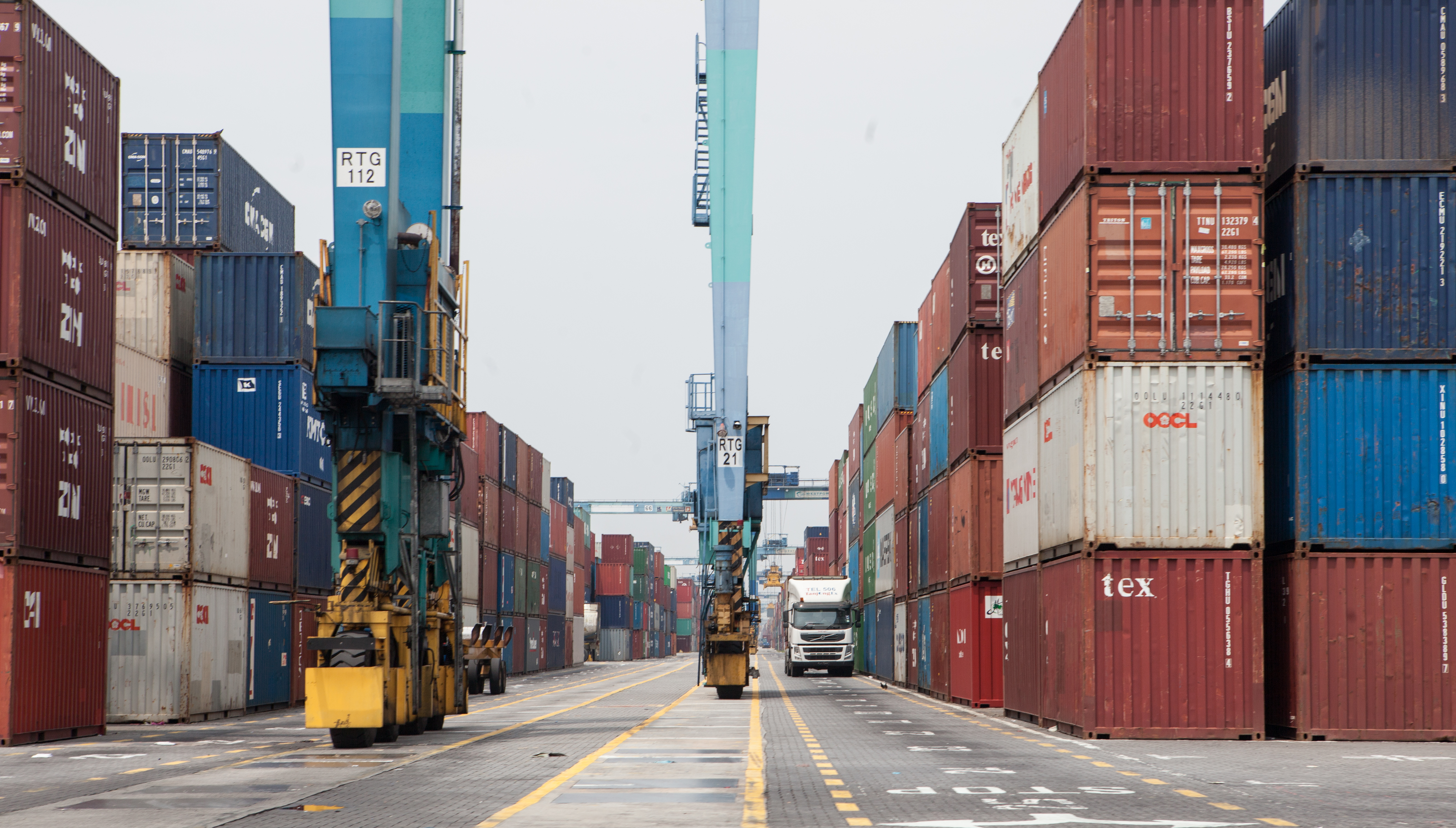
China’s exports and imports expanded rapidly in May, topping forecasts as a global investment supercycle in artificial intelligence (AI) drives up prices and demand for hardware made by the world’s manufacturing powerhouse.
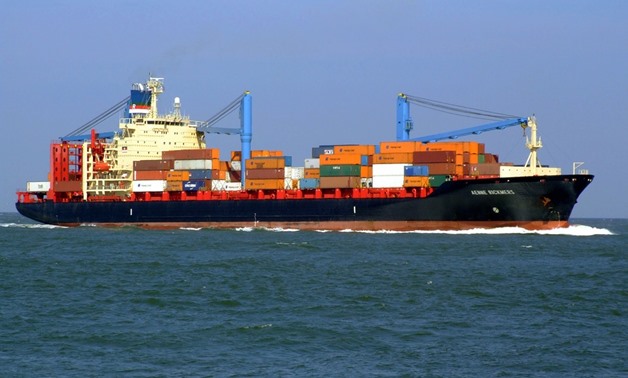
China’s trade surplus grew more than expected in May, aided chiefly by outsized growth in exports as overseas demand remained robust despite growing disruptions from the Middle East conflict.

The Eurozone economy contracted on a quarter-on-quarter basis in the January-March period, possibly signaling the impact of headwinds posed by the Iran war, according to a final reading of gross domestic product from Eurostat on Friday.

Japan’s economy grew less than initially expected in the first quarter of 2026, revised gross domestic product data showed on Monday, amid sluggish capital spending and continued headwinds from the Middle East war.
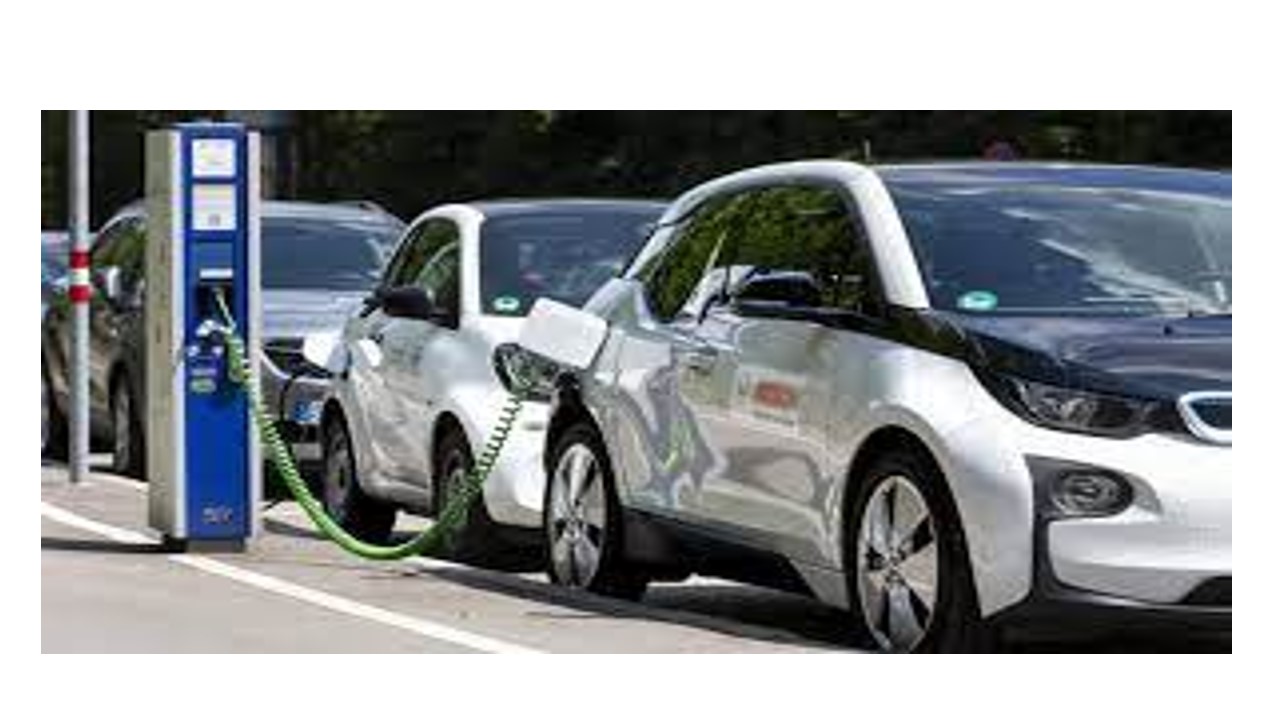
Chinese electric vehicles face crippling tariffs, stringent regulations and fierce opposition from lawmakers and the American auto industry, but there’s a growing possibility that Chinese EVs will be sold in the U.S. within the next few years.