
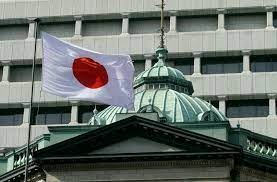
The Bank of Japan raised interest rates by 25 basis points as expected on Tuesday, with the central bank stating that it will continue to tighten policy in the face of sticky inflation.
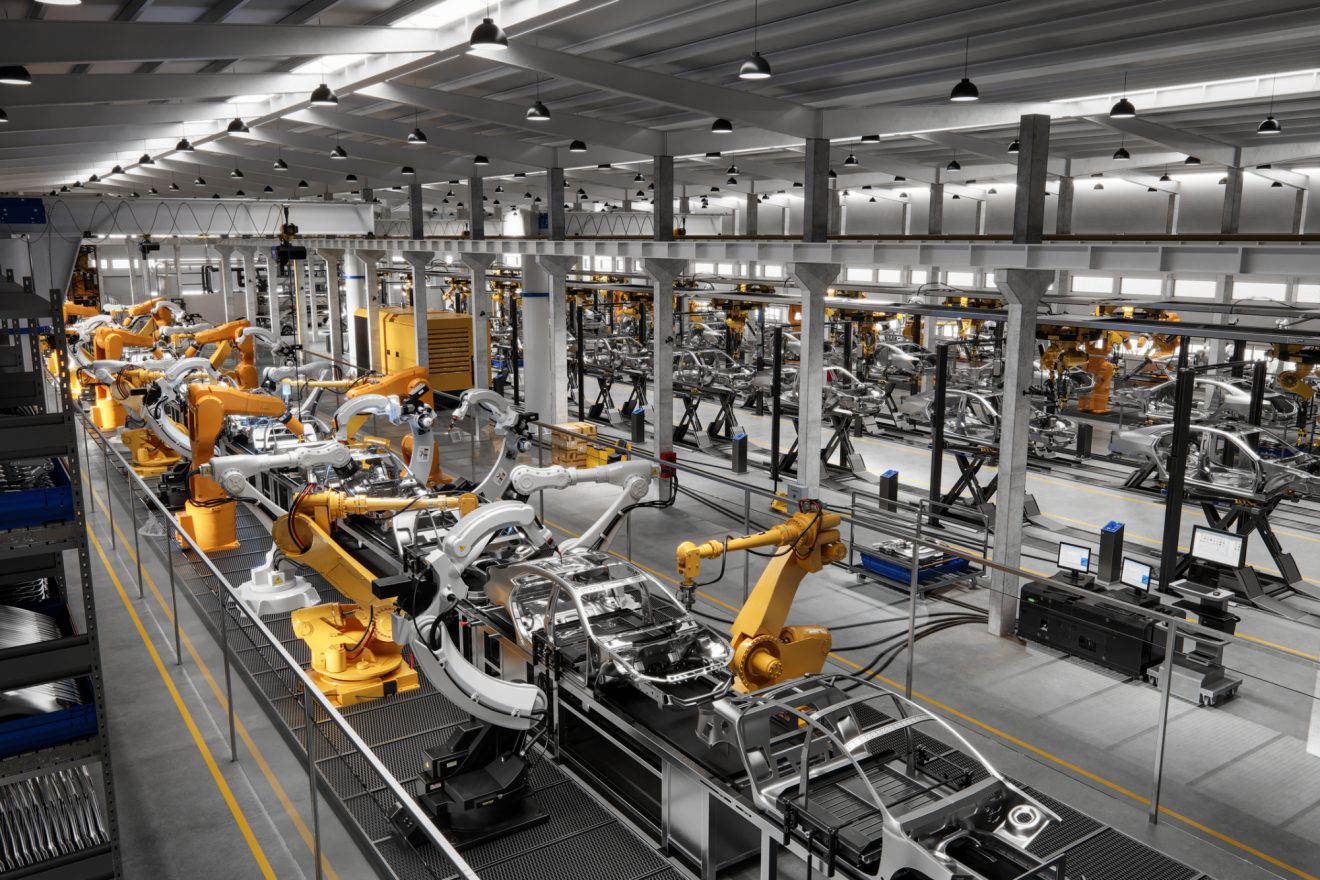
Chinese industrial production grew slightly more than expected in May, as local factories continued to benefit from outsized overseas demand despite growing economic headwinds.
he world economy is weathering the shock of the war in the Middle East with no signs yet of a global slowdown, but risks remain high, International Monetary Fund chief Kristalina Georgieva said on Monday.
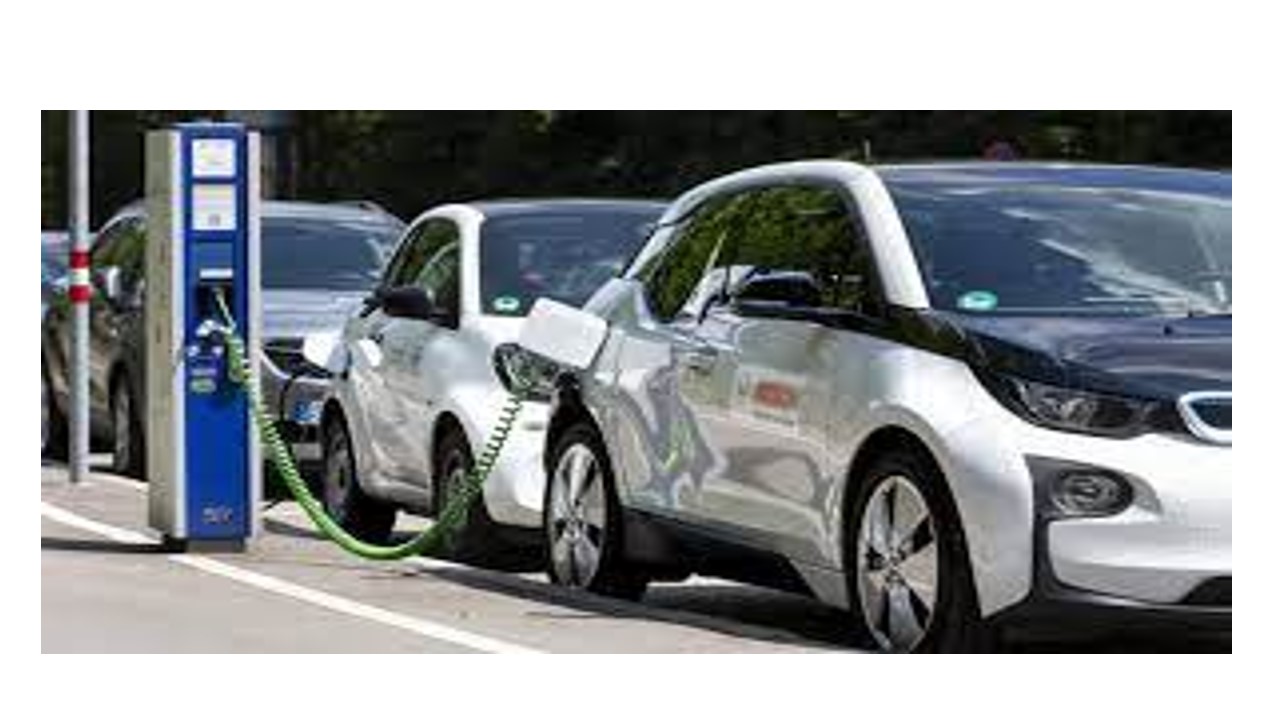
Global demand for electric vehicles rose for a third straight month in May, as subsidies and high petrol prices continued to drive the transition away from combustion-engine cars, data from consultancy Benchmark Mineral Intelligence showed on Wednesday.

European equities opened in a holding pattern on Tuesday, taking a breather from a global relief rally as investors shifted their focus from geopolitical euphoria to lingering macroeconomic realities.

he U.S. dollar eased on Monday after Washington and Iran said they had reached an interim peace deal. The news dented safe-haven demand and boosted risk sentiment, sending equities higher and oil prices and Treasury yields lower.