

Asian markets skidded on Wednesday, with investors cutting crowded positions in gold and chipmakers on worries a wider Mideast war could deliver an energy shock that raises inflation and delays rate cuts.

New vehicle sales in Taiwan plunged about 37 percent sequentially last month as the long Lunar New Year holiday and 228 Peace Memorial Day holiday cut short the number of working days, along with the lingering uncertainty over import tax cuts on US vehicles, market researcher U-Car said in a report yesterday.

Most Asian stocks fell further on Tuesday as hostilities between the U.S., Israel, and Iran showed few signs of ceasing, with South Korean markets leading losses in catch-up trade after a long weekend.

The Fed's concerns quickly reverted to a sharp rise in inflation, however, and rate hikes were accelerated.
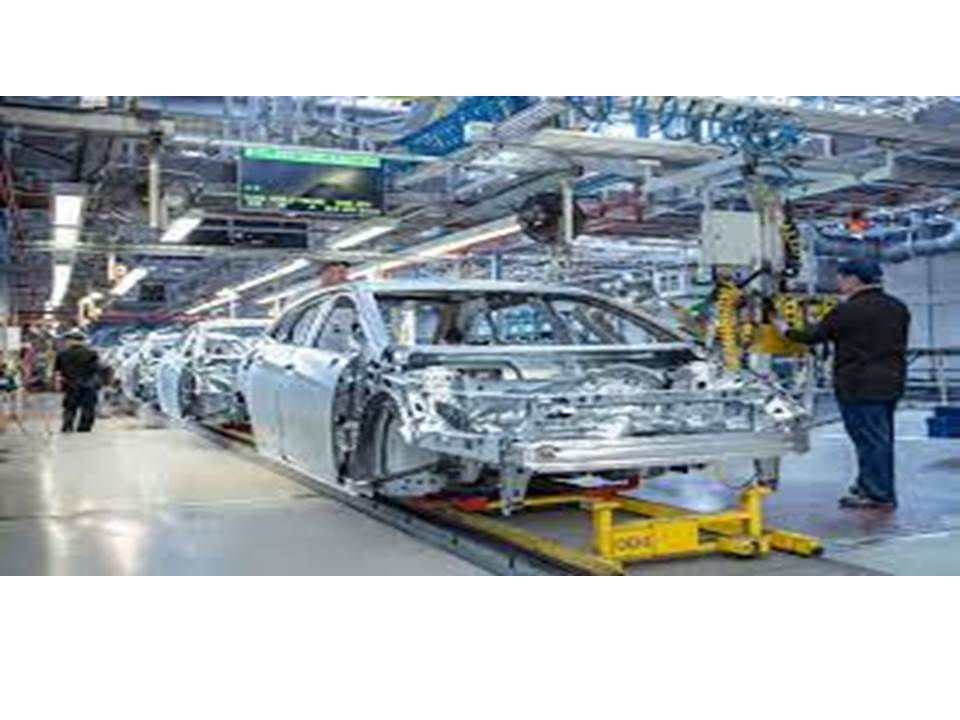
U.S. manufacturing activity grew steadily in February, but a gauge of prices at the factory gate raced to a near 3-1/2-year high amid tariffs, highlighting upside risks to inflation even before a U.S.-led attack on Iran sent oil prices rocketing.

Oil prices climbed in Asian trading on Tuesday after surging more than 7% in the previous session, as heightened conflict in the Middle East and threats to energy flows through the Strait of Hormuz continued to underpin supply disruption worries.