

The escalating crisis in the Middle East has dramatically changed the outlook for global central banks, with the huge supply shock posing a difficult trade-off between underpinning growth and countering inflation.

Share markets nosedived in Asia on Monday as the inflationary jolt from surging oil prices threatened to raise living costs and interest rates across the globe, while investors desperate for liquidity fled to the U.S. dollar.

Oil prices came off earlier highs on Monday but were still up more than 15% at levels not seen since mid-2022 as some major producers cut supplies and fears of prolonged shipping disruptions gripped the market due to the expanding U.S.-Israeli war with Iran.
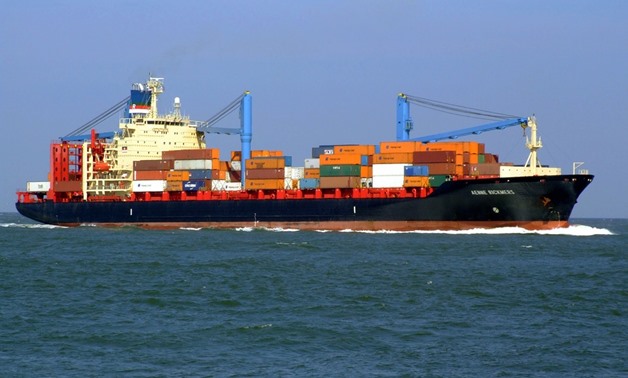
The escalating Middle East tensions will affect Malaysia amid disruption to global trading and supply chains, Deputy Investment, Trade and Industry Minister Sim Tze Tzin said on Friday.

Bank Negara Malaysia’s decision to keep the Overnight Policy Rate (OPR) steady at 2.75 per cent reflects a policy stance that remains supportive in the face of an increasingly uncertain external environment.

The U.S.-Israel war with Iran, which entered its seventh day on Friday, threatens to disrupt the shipment of vehicles from Asia to the Middle East, a major export market for Asian automakers.