

Oil prices rose on Friday after the U.S. tightened its sanctions programme against Russian crude exports, raising supply concerns in an already tight market, and global inventories are forecast to decline through the fourth quarter.

The dollar remained firm on Friday, putting pressure across a basket of currencies as stronger-than-expected U.S. consumer inflation revived prospects that the Federal Reserve will have to keep rates higher for longer.
Oil prices extended losses for a third session, dragged down by a larger-than-expected crude and gasoline stockbuild in the U.S. and easing supply concerns.
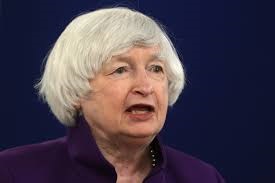
U.S. Treasury Secretary Janet Yellen said the unprecedented attacks on Israel by Palestinian Islamist group Hamas posed additional risks to an already tepid global economic outlook, but the United States still appeared headed for a soft landing.

Most Federal Reserve policymakers agreed that one more rate hikes would be "appropriate" and emphasized the need to keep interest rates higher for longer as inflation continues to trend well above the central bank’s 2% target, the Fed’s September meeting minutes showed Wednesday.
A growing sense of uncertainty around the path of the U.S. economy, with volatile data and tightening financial markets posing risks to growth, pushed Federal Reserve policymakers into a newly cautious stance last month, a position reaffirmed by top U.S. central bank officials in a series of statements this week.