

U.S. consumer prices increased in September amid a surprise surge in rental costs, but a steady moderation in underlying inflation pressures supported financial market expectations that the Federal Reserve would not raise interest rates next month.
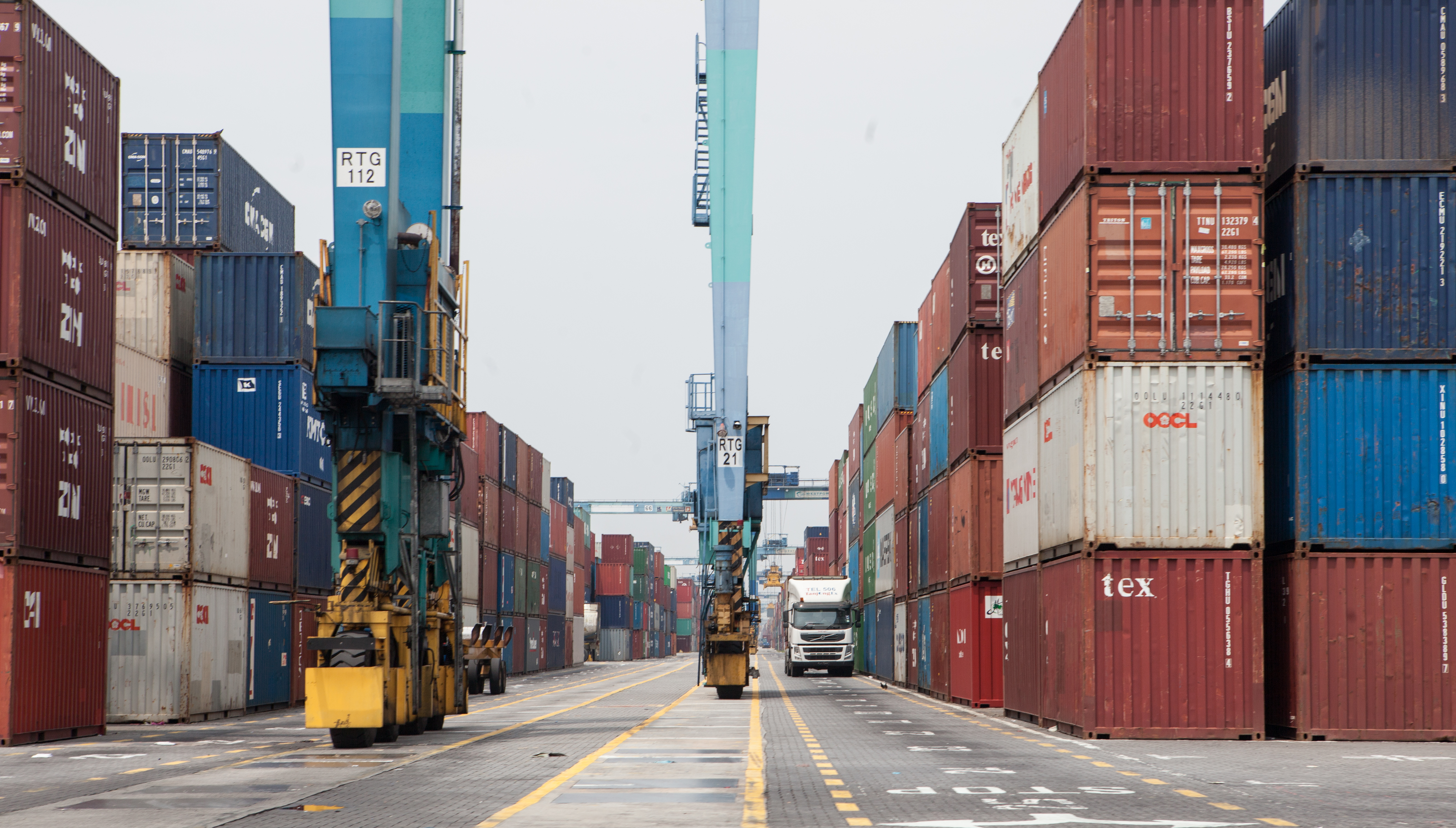
China's exports and imports shrank at a slower pace for a second month in September, customs data showed on Friday, adding to the recent signs of a gradual stabilisation in the world's second-biggest economy thanks to a raft of policy support measures.
Japan made a "very impressive pledge" to an International Monetary Fund account that provides subsidies to enable zero-interest rate loans to the poorest countries, IMF Managing Director Kristalina Georgieva said on Thursday.

China's consumer prices faltered and factory-gate prices shrank slightly faster than expected in September, with both indicators showing persistent deflationary pressures in the world's second-largest economy.

Economists are forecasting a moderation in overall inflation, as the pace of increase in prices for various goods and services showed signs of slowing down last month. The Consumer Price Index (CPI) is projected to have climbed 3.6 percent from a year earlier, marking a slower pace than the 3.7 percent rise witnessed in August. The "core" measure, which excludes the often volatile food and fuel prices, likely rose by 4.1 percent, a slight decrease from the previous 4.3 percent.

Asian shares slid on Friday while the dollar was firm after U.S. consumer prices increased more than expected, bolstering the case for the Federal Reserve to keep rates higher for longer.