
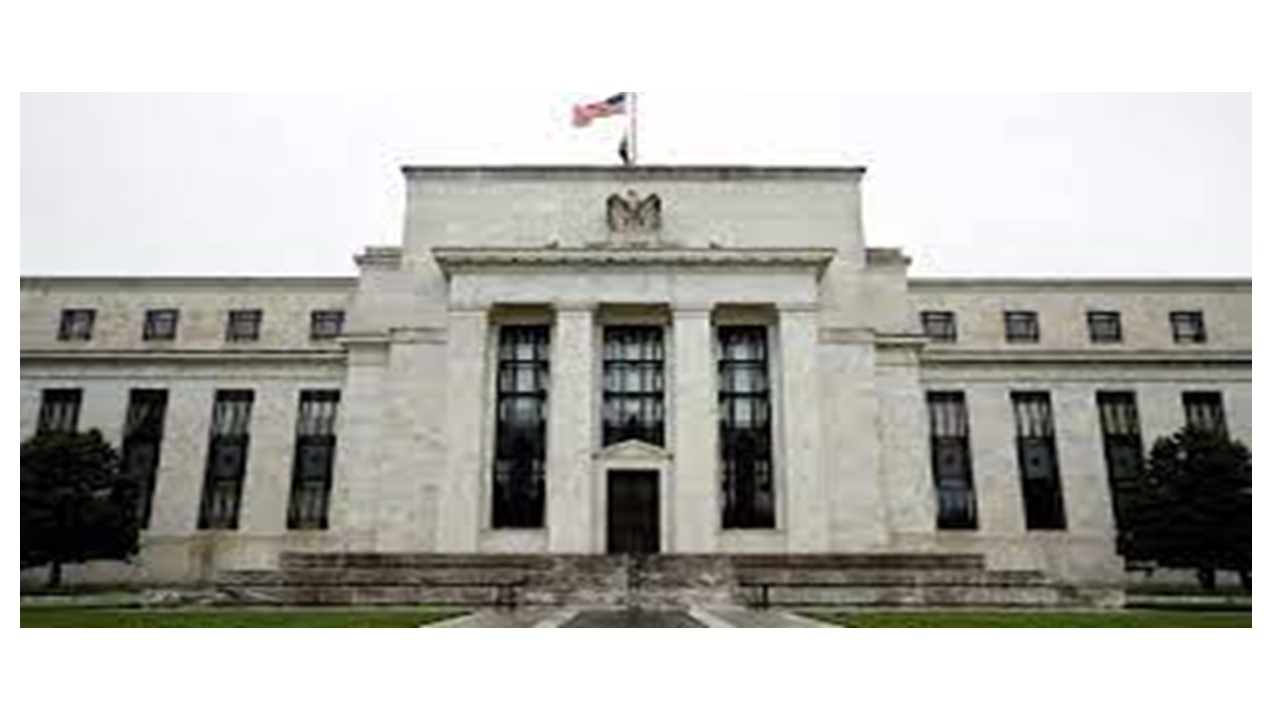
The U.S. Federal Reserve cut interest rates on Wednesday and signaled it will slow the pace at which borrowing costs fall any further given a relatively stable unemployment rate and little recent improvement in inflation.
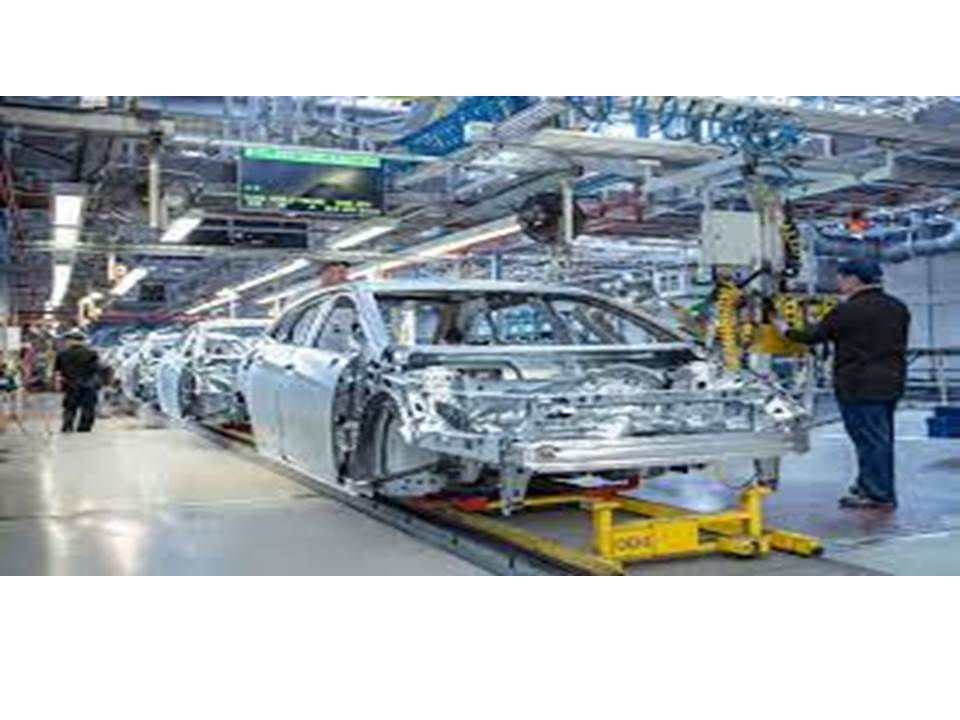
New car sales growth in Europe turned negative again in November, after showing a meagre growth in October, weighed by sharp declines in France and Italy, and a stagnation in Germany, industry data showed on Thursday.
The slowdown in electric vehicle (EV) sales was only partly offset by the growth of hybrid-electric car registrations, which topped petrol for a third consecutive month, according to the European Automobile Manufacturers Association ( ACEA (BIT:ACE)).
WHY IT'S IMPORTANT
European automakers are struggling with weak demand, high production costs, and managing the shift to EVs, while trying to fend off competition from China.
BY THE NUMBERS
The number of new vehicles registered in November in the EU, Britain and the European Free Trade Association (EFTA) fell 2% year-on-year to 1.06 million.
Among brands, registrations in the EU, Britain and EFTA at Volkswagen (ETR:VOWG_p) rose 2.8% and by 9.2% at Renault (EPA:RENA), while they fell by 10.8% at Stellantis (NYSE:STLA).
Sales of fully electric cars (BEVs) were down by 9.5% in November in the EU, driven by sharp declines in France and Germany, while those of hybrid cars (HEVs) rose by 18.5%, showing growth for a third month in a row.
Tesla (NASDAQ:TSLA) and SAIC Motor, who became subject to the new EU tariffs on Chinese-made cars from November, saw sales in the bloc decline by 40.9% and 7.8%, respectively.
Electrified vehicles - either BEV, HEV or plug-in hybrids (PHEV) - sold in the bloc accounted for 55.8% of passenger car registrations in November, up from 51.8% in the previous year.
As the EU's new carbon dioxide emission reduction targets loom next year, ACEA said a review of the regulation is needed and it is holding discussions with EU lawmakers about that.
"The transition was worked out on paper. On paper, it may be picture perfect, but reality is different", ACEA Director General Sigrid de Vries told Reuters on Tuesday.
"In Europe, we have a couple of issues. We have very costly energy and electricity prices. We don't have the raw materials and the supply chain that we need for electrification yet in Europe itself", she added.
CONTEXT
On Dec. 11, ACEA appointed Mercedes Chairman Ola Källenius as its new president as of on Jan. 1, and approved the return of Stellantis to the organisation from next year.
Source : Investing.com

British manufacturers reported the biggest fall in output since the COVID-19 pandemic in late 2024 and they are even more downbeat about the start of next year, according to a survey that adds to signs of a loss of momentum in the economy.

Most central banks of the Gulf Cooperation Council cut key interest rates on Wednesday, following the Federal Reserve's decision to reduce U.S. rates by a quarter of a percentage point.

Morgan Stanley (NYSE:MS) expects the Federal Reserve to cut interest rates by a smaller margin in the coming year, with the central bank also expected to delay future cuts amid concerns over sticky inflation.
The U.S. central bank cut interest rates on Wednesday, as expected, but Federal Reserve Chair Jerome Powell said more reductions in borrowing costs now hinge on further progress in lowering stubbornly high inflation, remarks that showed policymakers are starting to reckon with the prospects for sweeping economic changes under a Trump administration.