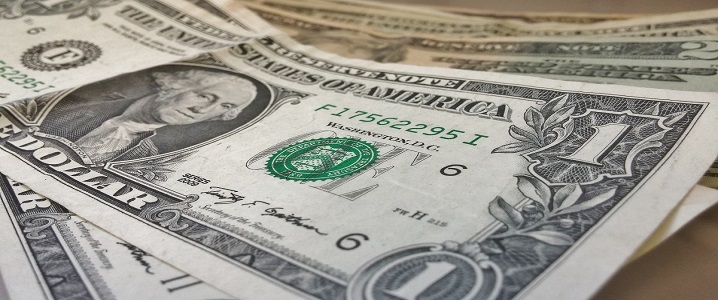
SYDNEY (Reuters) - Asian share markets were subdued on Friday amid thin holiday trade although the dollar found support as investors pared expectations for a U.S. rate cut this year while oil prices loitered near one-month lows on oversupply fears.
SINGAPORE (Reuters) - Oil prices slipped on Friday, extending a steep fall from the previous session on surging U.S. output and an expected supply increase from producer club OPEC and putting crude on track for a second week of declines.
SYDNEY (Reuters) - The dollar looked set to end the week with a firmer tone on Friday as markets scaled back bets on a U.S. rate cut, though much depends on what jobs data due later in the session says about the health of the economy and wages.
The currency has edged higher since Federal Reserve Chair Jerome Powell played down the recent slowing in inflation and saw no reason to cut interest rates.
That helped the dollar index recoup losses from earlier in the week to stand at 97.834 against a basket of currencies, up from a trough of 97.149.
It was little changed on the week so far, which was no big surprise given the market has lacked liquidity with Japan and China on holiday.
Against the yen, the dollar was idling at 111.46 having spent the entire week in a snug 111.03-111.89 range.
The euro was flat at $1.1174, having eased back from a $1.1219 top overnight, though it was still a shade firmer on the week. Eurozone manufacturing surveys out on Thursday showed further contraction in April, but at least got no worse.
“The flow of economic data fits with most central banks taking a cautious line, fearful of downside global growth risks,” said Alan Ruskin, global head of G10 FX Strategy at Deutsche Bank.
Interest rate futures imply around a 49 percent chance the Fed would cut rates by December, down from 61 percent late on Wednesday. Yields on two-year Treasuries were also up 6 basis points on the week so far.
The pricing on rates may change again depending on what the April jobs report reveals. Forecasts are for payrolls to rise a solid 185,000 with unemployment holding at 3.8 percent.
Analysts at NAB reckon there is a chance of an even stronger number given the run of leading indicators and the fact that March was held back by poor weather which cleared in April.
They are tipping a rise in jobs of 260,000, which would certainly put a spring in the dollar’s step.
The risk for bulls would be a soft wages print given the Fed’s focus on inflation right now. The median forecast is for average earnings growth of 3.3 percent and anything less could take the shine off the dollar.
Among the few movers for the week were the Australian and New Zealand dollars, which fell as speculators wagered both countries could see interest cuts next week.
Futures imply around a 32 percent chance of a quarter point cut form the RBA, while swaps show a 53 percent probability of a move from the RBNZ.
The Aussie was down 0.55 percent for the week at $0.6996, with the kiwi off 0.6 percent.
Source Reuters
BENGALURU (Reuters) - The U.S. dollar, which has dominated currency markets since last year, will stay strong for another three to six months before starting to cede ground to most other major currencies, a Reuters poll found.
HONG KONG (Reuters) - Factory activity recovered last month in parts of Asia but still appeared to be on shaky ground as global demand remained subdued and China’s stimulus measures were yet to show their full pulling power.
SYDNEY (Reuters) - Asian markets marked time on Thursday with two major centers - Japan and China - shut for holidays while the dollar held on to overnight gains after the U.S. central bank poured cold water on rate cut expectations.