
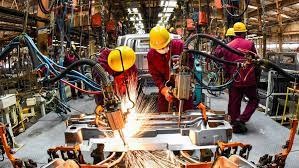
China’s factory activity slump worsened in October, reaching its longest decline in more than nine years, as a deepening economic slowdown sets in during the final quarter.

The Bank of Japan held off on raising interest rates on Thursday but repeated its pledge to continue increasing borrowing costs if the economy moves in line with its projections.

Chinese carmakers posted their best month ever in Europe, roaring past previous highs in September on surging demand for battery-powered and hybrid-electric models.

China has sent a clear signal that it is willing to pull the plug on subsidies for its electric vehicle industry after years of big-ticket government support fuelled a boom that has left the world's second-largest economy saddled with vast oversupply, prompting it to push into global car markets.

Asian shares gave up early gains on Thursday after a closely watched meeting between U.S. President Donald Trump and Chinese President Xi Jinping failed to provide concrete details on trade progress.
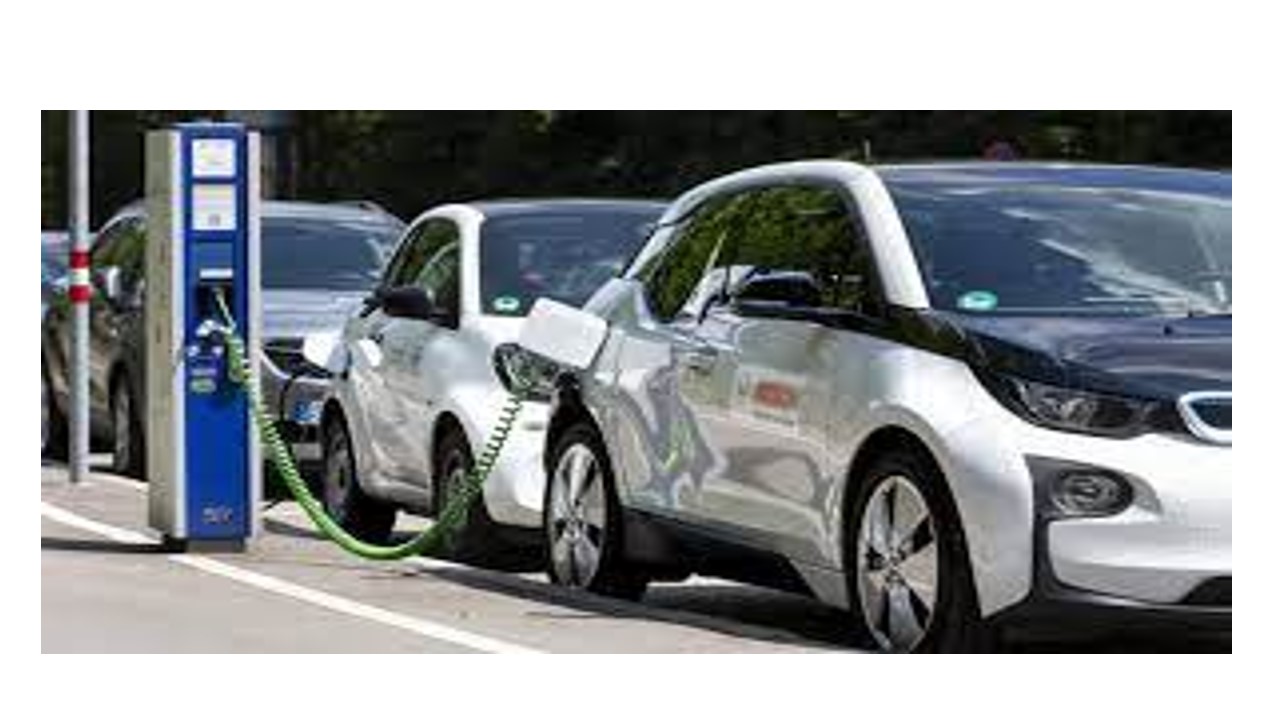
General Motors (GM.N) opens new tab said on Wednesday it will cut U.S. electric vehicle and battery production and 1,200 factory jobs at its EV plant in Detroit along with 550 jobs at an Ohio battery plant as the automaker responds to a significant slowdown in demand for its battery cars.