

The number of Americans filing new applications for unemployment benefits increased by the most in nearly 4-1/2 years last week, but the surge likely does not suggest a material weakening in labor market conditions, as the claims data are volatile around this time of year.

Oil prices rose on Friday supported by concerns of Venezuelan supply disruptions, though they remained on track for a weekly drop amid cautious market sentiment and optimism over the prospects for a Russia-Ukraine peace deal.
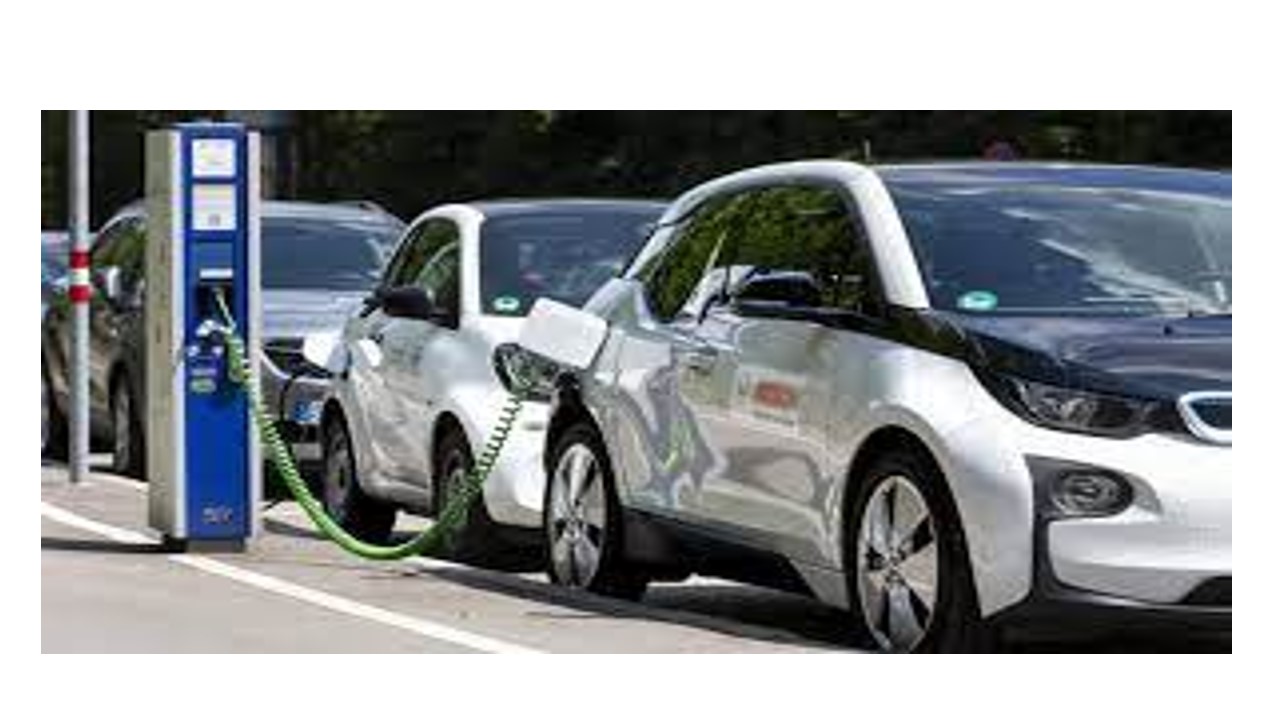
In June 2024, the European Union (EU) announced big new tariffs on electric vehicles produced in China. Among other details and clarifications, plug-in hybrids were not included. The high tariffs would only apply to fully electric cars. On a continent trying to electrify the auto industry pretty quickly, that seemed counterproductive. And it was. Yes, clearly, European automakers were trying to protect themselves from cheap Chinese electric cars with long range and great tech. However, the market pressure of those cheap Chinese electric cars with long range and great tech certainly would have pushed legacy automakers to build better, cheaper electric cars faster.

Most Asian stocks turned lower on Thursday as technology shares tumbled after middling earnings from Oracle sparked doubts over the broader artificial intelligence trade.

Oil prices were broadly stable on Thursday as investors shifted their focus back to Russia-Ukraine peace talks while watching for any fallout from a U.S. seizure of a sanctioned tanker off the coast of Venezuela.
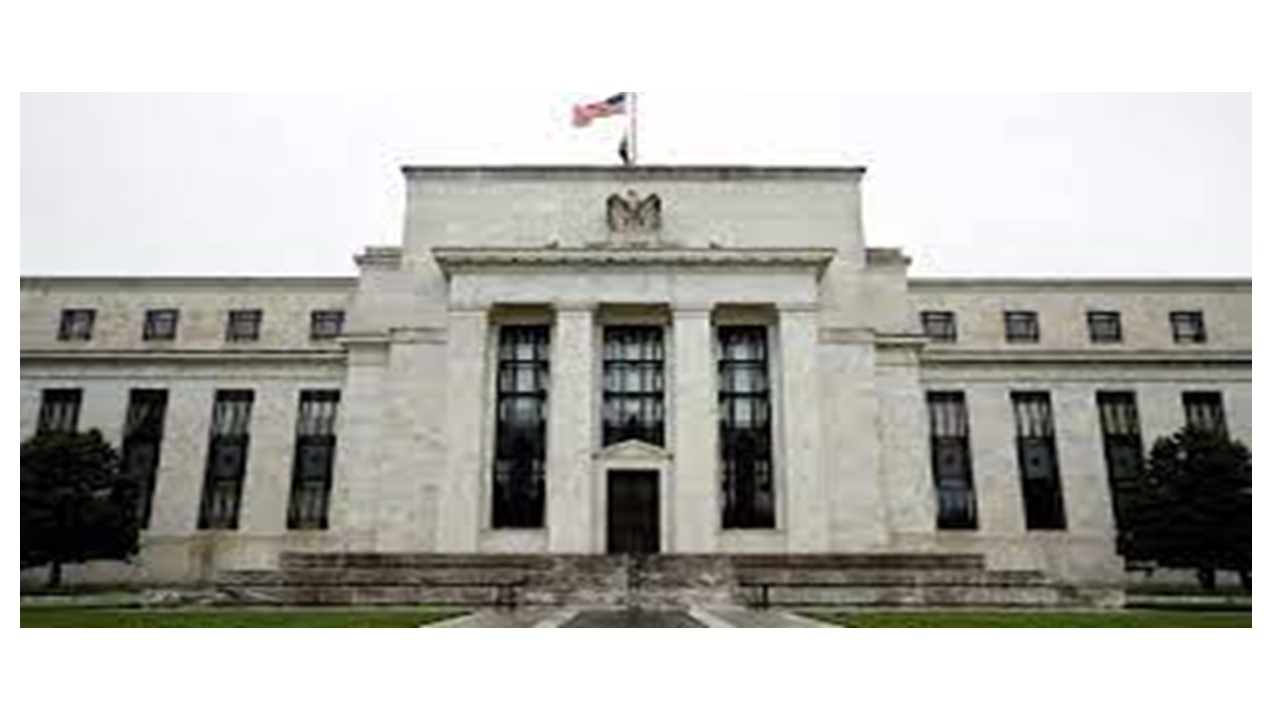
The U.S. Federal Reserve may not give President Donald Trump all the rate cuts he wants, but the view of the economy policymakers included in new economic projections on Wednesday should buoy the administration nonetheless with its outlook for faster growth, lower inflation and steady unemployment heading into the 2026 midterm elections.