
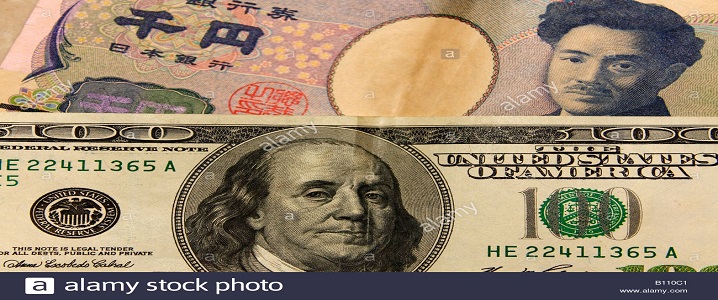
TOKYO, June 20 (Reuters) - The Japanese yen remained under pressure on Monday, weakening toward a 24-year low after the Bank of Japan on Friday bucked the trend in a week of massive central bank tightening to renew its commitment to the ultra-easy policy.

SINGAPORE, June 17 (Reuters) - World stocks on Friday headed for their worst week since the markets' pandemic meltdown in March 2020, as investors worried about growth in the face of global rate hikes - except in Japan where policy settings were kept easy and the yen fell.
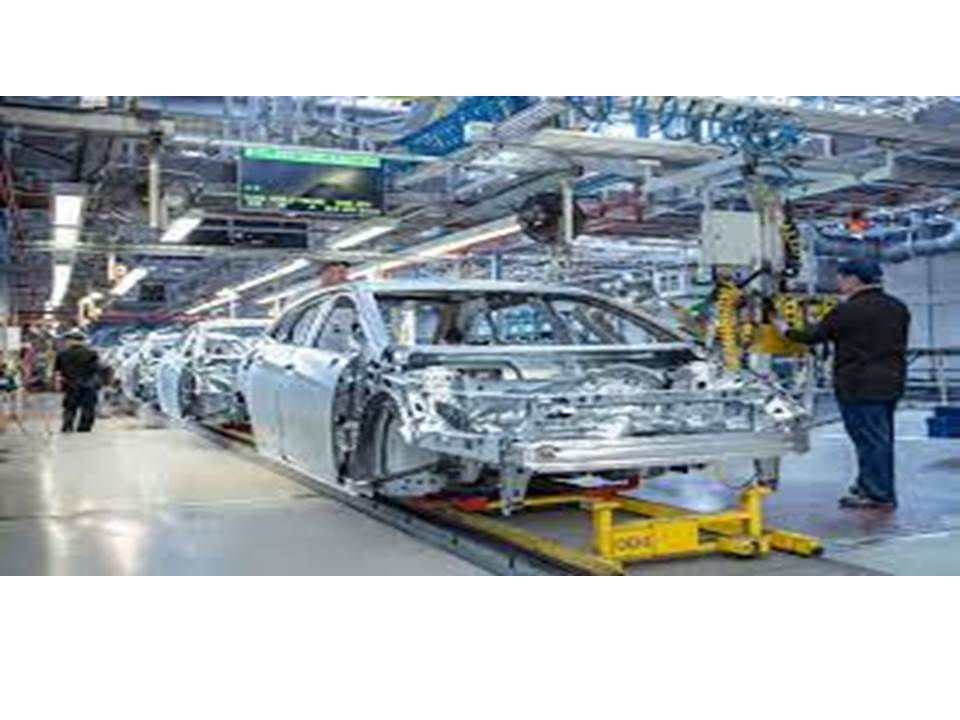
TOKYO, June 15 (Reuters) - For decades, Japan's powerful automakers had a playbook to deal with deflation: press suppliers for lower prices on everything from seat belts to wire harnesses and promise volume.
Now, with inflation biting around the world, Toyota Motor Corp (7203.T), Nissan Motor Corp (7201.T) and others are shouldering more of the burden of soaring raw materials prices, or extending other help to hard-hit parts makers, executives say.
The measures show how automakers are attempting to shore up already strained supply chains, wracked by COVID-19 pandemic lockdowns and a global shortage of semiconductors, even at the cost of lower profit margins for themselves. The piecemeal support being negotiated across Japan's auto industry also highlights the potential disruption from the dramatic weakening of the yen, now at its lowest in two decades.
Japanese automakers, historically beneficiaries of a weaker currency through sales overseas, are now focused on managing the threat to suppliers. For many parts makers, the weaker yen compounds the pain of higher input costs for materials.
"Inflation is happening and definitely we have to address it," Nissan Chief Operating Officer Ashwani Gupta told reporters recently. "We are discussing with our suppliers because in the end their sustainability is our sustainability."
Tokai Rika Co Ltd (6995.T), a maker of steering wheels and other parts that is partly owned by Toyota, is one supplier that has benefited from its help.
Initially, it expected higher materials costs to cut operating profit in the just-ended fiscal year by 9.1 billion yen ($68 million). Instead, its customers, mainly Toyota, absorbed almost 15% of the higher costs, and will take more this year, a spokesperson said.
Tokai Rika estimates its customers - again, mainly Toyota - will this year shoulder nearly two-thirds of an expected 7.9 billion yen hit from higher prices of metals, resin and other materials.
It continues to discuss higher semiconductor and logistics costs with customers, the spokesperson said.
'CLOSER ATTENTION'
Toyota is paying "closer attention" to the concerns and problems of business partners, the Tokai Rika spokesperson added. The world's biggest automaker by sales owns almost a third of the parts maker and accounts for around three-quarters of its sales.
The automaker was taking measures to reduce the burden on its suppliers, Toyota spokesperson Shiori Hashimoto said, declining to comment specifically on Tokai Rika.
The semiconductor shortage and pandemic forced Toyota to make repeated cuts to its production plans, increasing the cost burden for parts makers. It has 400 primary suppliers and some 60,000 suppliers in total.
Toyota has warned that "unprecedented" increases in raw materials prices could cost it $11 billion this year and cut full-year profit by a fifth.
NISSAN TECHNOLOGY
Nissan already shoulders much of the cost of increases in raw materials and precious metals, Gupta, the chief operating officer, told reporters recently.
It is now paying suppliers ahead of the deadline and sending out production forecasts further in advance, both of which are a help to parts makers, according to an executive at one of its suppliers who declined to be identified so he could speak about a business partner.
Unipres Corp (5949.T), which specializes in stamping technology, avoided price cuts this year after winning support from Nissan, Unipres President Nobuya Uranishi told a recent investor briefing that was not open to the general public, according to notes of his comments taken by an attendee and reviewed by Reuters.
Unipres declined to comment.
That approach marks a significant change for Nissan. Under ousted former chairman Carlos Ghosn, it was known for squeezing suppliers every year for cheaper parts in return for high-volume orders.
Nissan Chief Executive Makoto Uchida told Reuters in an interview last month that the investment needed to shift to all-electric vehicles demanded a more long-term approach to suppliers - not just a focus on "massive growth of volume".
For Unipres, that has meant getting to work with Nissan at an early stage on the development of parts and technology, rather than winning on price alone, President Uranishi told the Unipres investor briefing, according to the notes.
Such collaboration doesn't guarantee contracts for parts, but gives the supplier critical feedback at an early stage in the development process, he said.
COST TRANSMISSION
Honda Motor Co (7267.T) supplier Musashi Seimitsu Industry Co (7220.T), a supplier of transmission gears and suspension parts, is negotiating with automakers to reflect the impact of higher shipping and materials costs, the company told Reuters.
Another Honda supplier, fuel tank- and sunroof-maker Yachiyo Industry Co (7298.T), has seen little impact because it buys raw materials directly from Honda and factors higher costs into the price of parts sold to its parent, it said.
Honda declined to comment.
The automaker was working with suppliers to keep costs down in the face of a second straight year of rising prices, Chief Financial Officer Kohei Takeuchi said on a recent earnings call. Still, it was forecasting a lower full-year profit, he said.
Meanwhile, Mitsubishi Motors Corp (7211.T) is meeting with its small- and medium-sized suppliers and will move quickly to help if they are being threatened by cost increases, a senior executive said, declining to be identified so he could speak openly about the company policy.
The automaker will also step in if smaller suppliers have funding trouble, the executive said.
"We are communicating more closely than ever with our suppliers to ascertain if there are any problems," Mitsubishi Motors spokesperson Hiromu Hatanaka said.
Source Reuters

SINGAPORE, June 17 (Reuters) - Oil prices edged lower on Friday as demand concerns emerged following this week's rate hikes, although persisting supply tightness and new sanctions on Iran limited the downside.
TOKYO, June 17 (Reuters) - The yen retreated sharply from its highest point in nearly two weeks on Friday, after the Bank of Japan kept its ultra-easy policy unchanged, defying pressure from aggressive tightening at peers including the Federal Reserve and Swiss National Bank.
SHANGHAI: Retail car sales in China jumped 54 per cent from June 6 to June 12 compared to the same period in May, data from the China Passenger Car Association (CPCA) showed.