

Oil prices steadied in Asia trade on Friday, after hitting their lowest levels since before Russia's February invasion of Ukraine in the previous session, as the market juggled concerns of supply shortage and slower demand.

The U.S. trade deficit narrowed sharply in June as exports surged to a record high, a trend that could see trade continuing to contribute to gross domestic product in the third quarter.

The number of Americans filing new claims for unemployment benefits increased last week, suggesting some softening in the labor market, though overall conditions remain tight.

Consumers in the euro zone are bracing for the economy to shrink and for high inflation to continue eating into their income in the next year, a European Central Bank survey showed on Thursday.

Stress on global supply chains improved in July to their lowest level since January 2021 as port congestion and other snags eased, the New York Federal Reserve reported on Thursday, in its latest update to a worldwide index of supply problems.
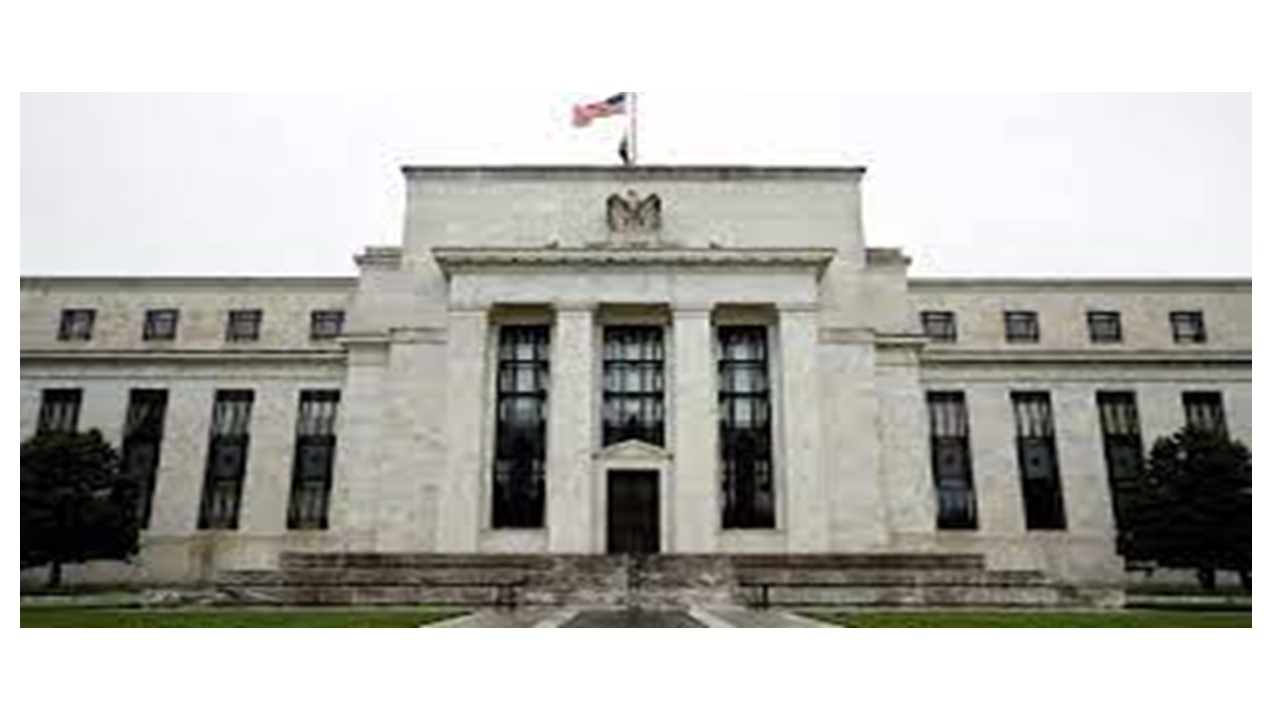
The U.S. Federal Reserve should raise interest rates to above 4% to help bring inflation down and must aim to keep tightening through the first half of next year, Cleveland Fed President Loretta Mester said on Thursday.