

The U.S. economy contracted at a more moderate pace than initially thought in the second quarter as consumer spending blunted some of the drag from a slower pace of inventory accumulation, dispelling fears that a recession was underway.

Core consumer prices in Japan's capital Tokyo rose in August at their fastest pace in nearly eight years, as inflationary pressures broadened due to higher fuel and raw material costs.

China's unemployment insurance payouts hit a record high in June, adding to signs of a struggling labour market as the economy has been badly hit by COVID-19 outbreaks and a property crisis.

New orders for U.S.-manufactured capital goods increased in July, but the pace slowed from the prior month, suggesting a moderate rebound in business spending this quarter.
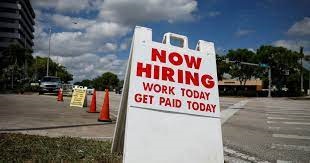
The U.S. economy likely created 462,000 more jobs in the 12 months through March than previously estimated, the Labor Department's Bureau of Labor Statistics said on Wednesday.

China will focus on creating jobs and promote fiscal, monetary and industrial policies to stabilise its labour market, Li Zhong, Vice Minister of the Ministry of Human Resources and Social Security, said on Thursday.