

The European Central Bank will raise interest rates again on Thursday and likely reel in a key subsidy to commercial banks, taking another huge step in tightening policy to fight off a historic surge in inflation.

President Xi Jinping said China is willing to work with the United States to find ways to get along to the benefit of both, state broadcaster CCTV reported on Thursday.

Japan will unveil on Friday a fresh spending package of more than $200 billion that includes steps to curb electricity bills, sources told Reuters, which could tame inflation next year and help the central bank justify keeping ultra-low interest rates.
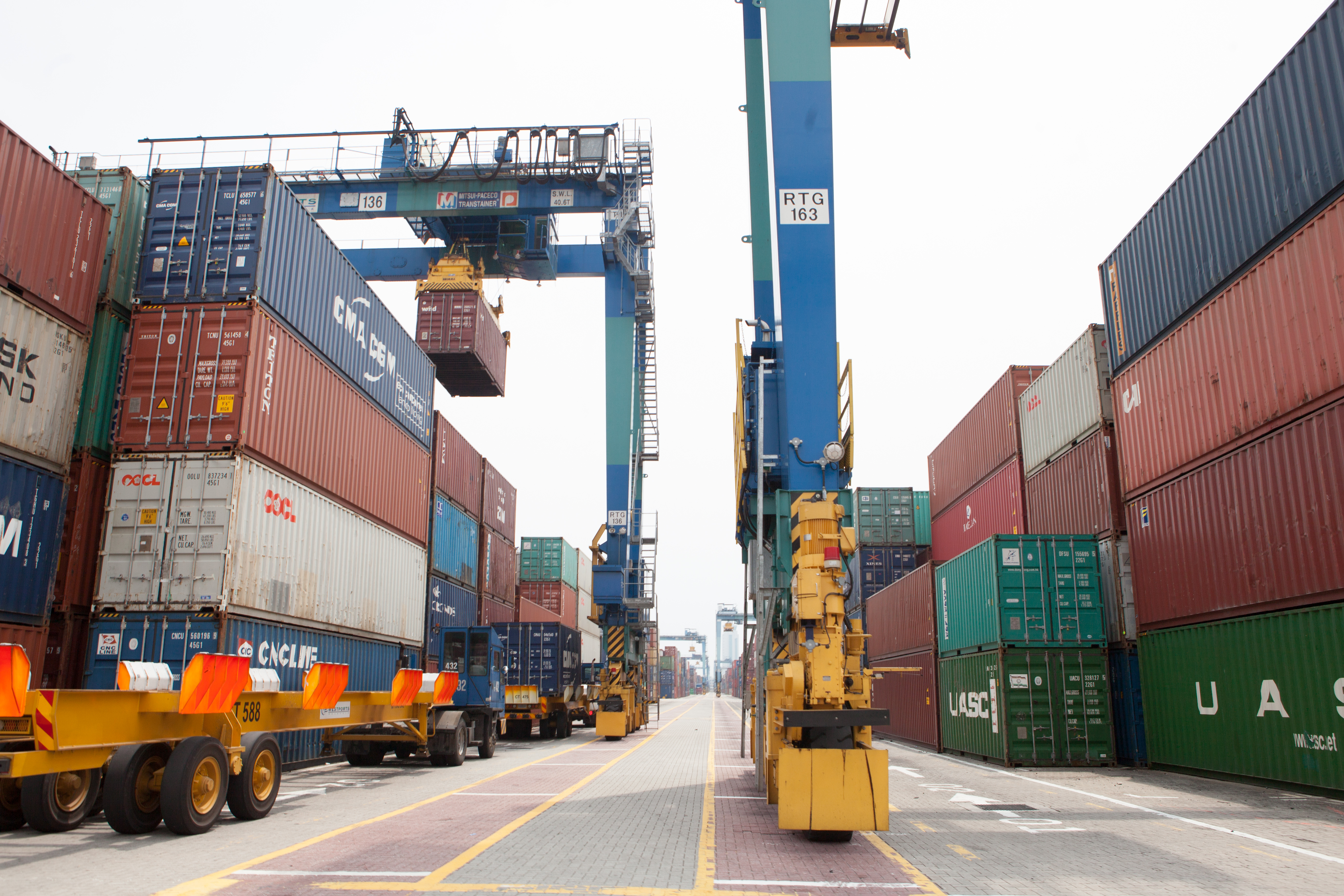
The U.S. trade deficit in goods widened sharply in September, likely as a strong dollar and softening global demand weighed on exports, but that did not change expectations that trade led an anticipated rebound in economic growth in the third quarter.

Profits at China's industrial firms fell at a faster clip in the January-September period as COVID-19 curbs and a property crisis continued to weigh heavily on factory activity, piling pressure on firms grappling with weak demand and high costs.
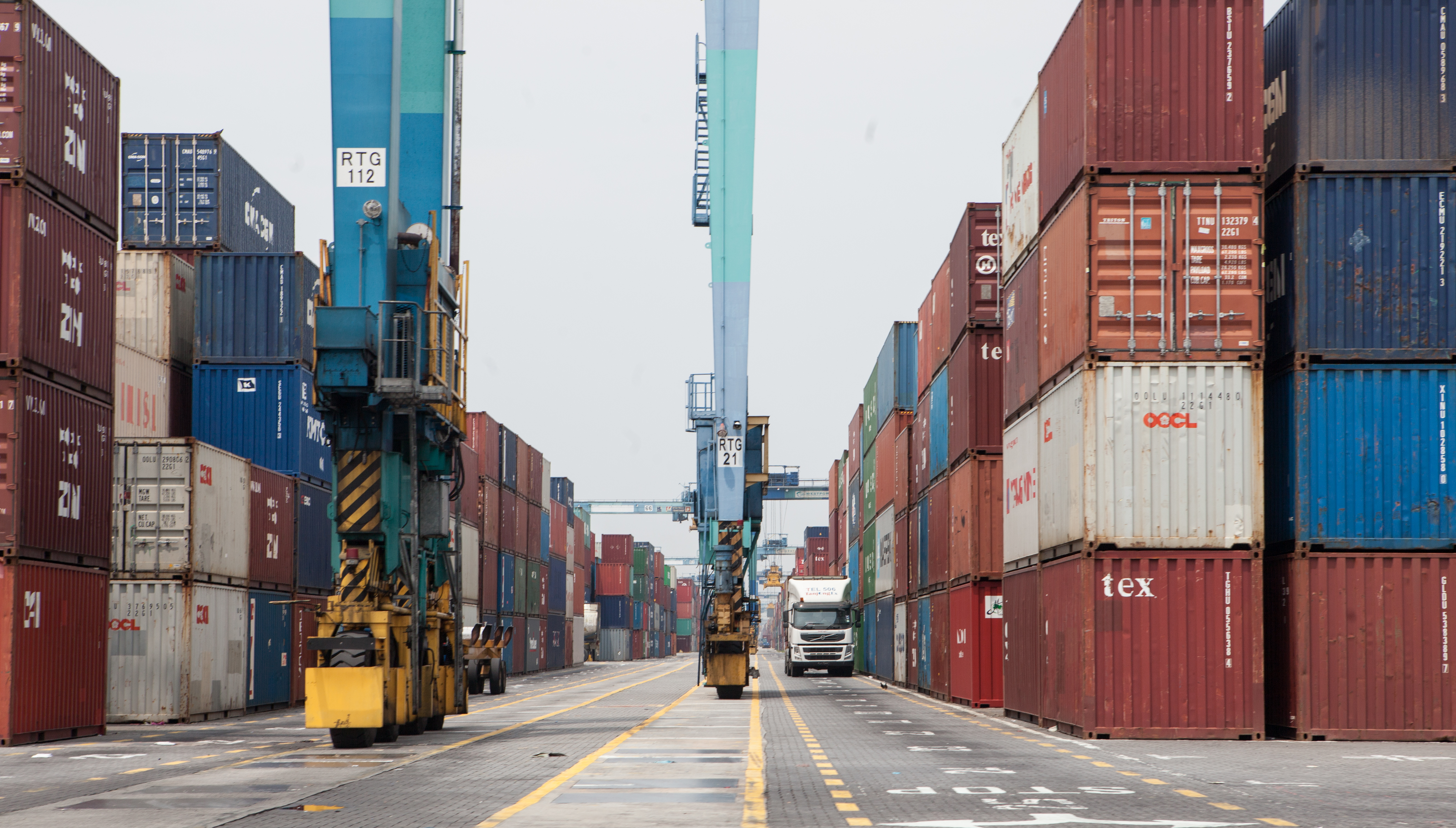
U.S. economic growth likely rebounded in the third quarter, driven by a shrinking trade deficit, but that would grossly exaggerate the economy's health as the Federal Reserve's aggressive interest rate increases dampen demand.