

Asian shares rose on Tuesday as U.S. stocks increased overnight before midterm elections and investors clung on to hopes that China would eventually relax its strict pandemic curbs even after the government reaffirmed its commitment to the zero-COVID policy.

Oil prices hovered below a two-month high on Tuesday as markets weighed mixed demand signals from major importer China, although weakness in the dollar, on expectations of a less hawkish Federal Reserve, helped prices retain recent gains.
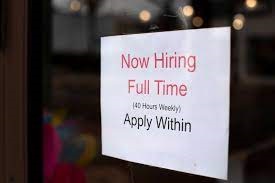
U.S. employers likely hired the fewest workers in nearly two years in October and increased wages at a moderate pace, suggesting some loosening in labor market conditions, which would allow the Federal Reserve to shift towards smaller interest rates increases starting in December.
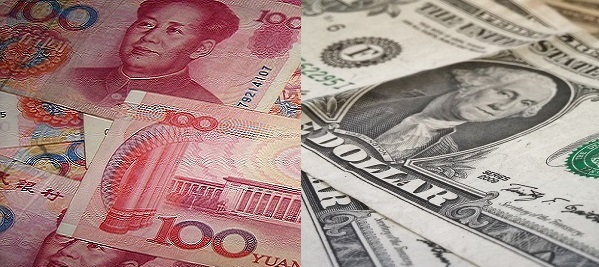
The dollar looked set to post its best week in over a month on Friday on expectations that U.S. rates could peak higher, while sterling was on the ropes as investors revised their rate projections after a shift in tone from the Bank of England.
China's export growth likely cooled further in October as global demand continued to soften, while imports remained sluggish amid weakening growth at home, a Reuters poll showed on Friday.
Oil prices rose on Friday as markets awaited the passing of a price cap on Russian exports, although concerns over Chinese demand and a hawkish Federal Reserve put crude on course to end the week lower.
Reuters reported that the Group of Seven (G7) rich countries agreed to set a fixed price when curbs on Russian oil exports kick in later this month. The passing of the price caps is expected to eventually tighten crude supplies, given that Russia warned it will stop supplying oil to any countries that agree to the curbs.
Brent oil futures rose 0.6% to $94.18 a barrel in early Asian trade, while West Texas Intermediate crude futures, the U.S. benchmark, rose 0.6% to $88.69 a barrel. But Brent was set to lose around 1% this week, while WTI futures were set to close the week flat.
The Russian oil price caps are intended to dent Moscow's oil revenues in response to the country’s invasion of Ukraine. But markets are doubtful over the effectiveness of the curbs, given that major Russian importers China and India have given little indication they will comply.
The curbs will also effectively cut off any Russian fuel exports to the west, which is expected to severely curb supplies in the coming months.
Oil prices started the week on strong footing amid rumors that China was planning to scale back its strict zero-COVID policy. But prices reversed most of their gains after Beijing dismissed the rumor.
The zero-COVID policy is at the heart of China’s economic slowdown this year, and has severely crimped crude demand in the country.
Crude prices were also dented by strength in the dollar, after the Federal Reserve hiked interest rates and presented a more hawkish stance than markets were expecting. The move ramped up concerns that the Fed is willing to risk a U.S. recession in its fight against inflation - a scenario that is negative for crude demand.
Oil prices fell sharply this year amid growing concerns that high inflation and rising interest rates will slow global economic growth, weighing on crude demand.
But data released this week showed a much bigger drawdown in weekly U.S. inventories than expected, signaling that crude demand in the world’s largest economy remained steady.
The OPEC, which announced a two million barrel per day supply cut in October, flagged stronger crude demand in the medium to long term. The cartel also assured investors this week that it stands ready to help stabilize oil prices.
Source : Investing.com