
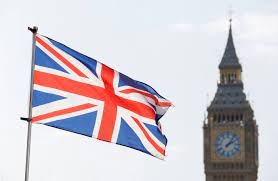
British inflation fell more than expected in November after it hit a 41-year high in October, raising hopes that the price surge has peaked and offering some comfort to the Bank of England as it prepares to raise interest rates again.
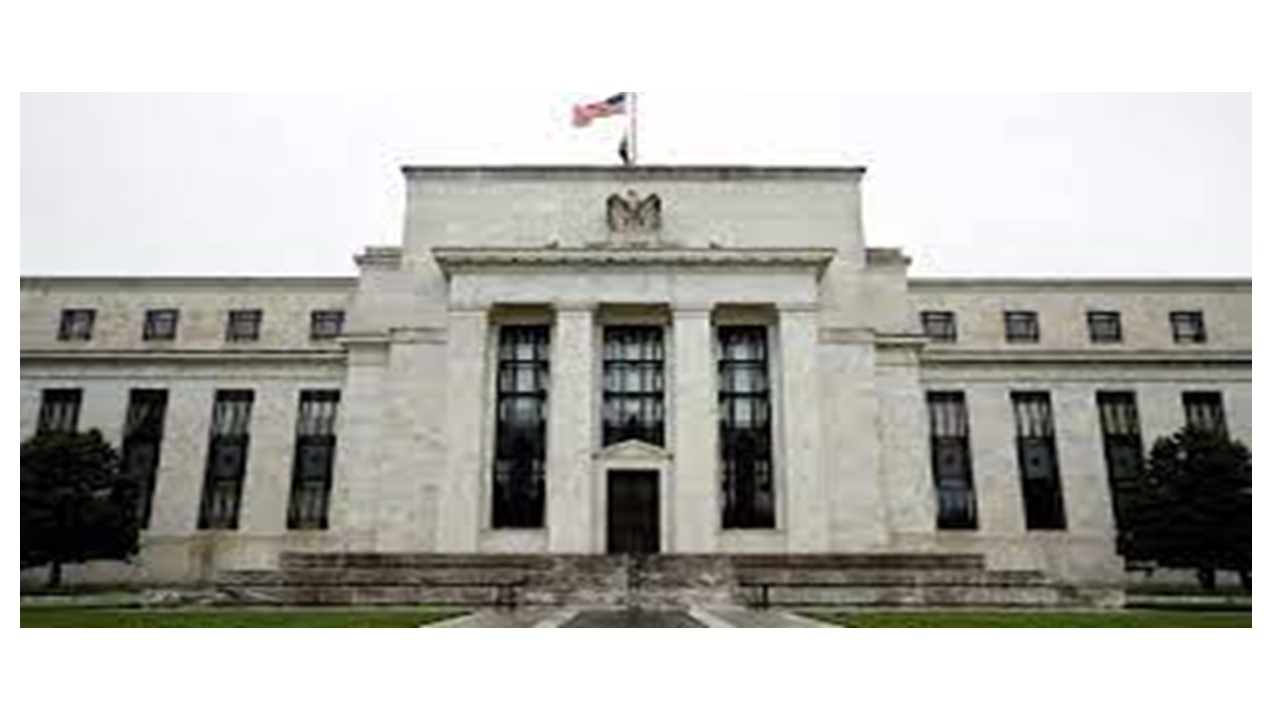
The Federal Reserve raised interest rates by half a percentage point on Wednesday and projected at least an additional 75 basis points of increases in borrowing costs by the end of 2023 as well as a rise in unemployment and a near stalling of economic growth.

Japan logged a trade deficit for a 16th straight month in November as imports surged to a record level, while subdued growth in exports to China fanned concern about how COVID disruptions there could impact other economies.

The Biden administration plans to remove some Chinese entities from a red flag trade list, a U.S. official told Reuters on Wednesday amid closer cooperation with Beijing.

U.S. import prices fell for a fifth straight month in November, pulled down by declining costs for petroleum products and a strong dollar, supporting the view that inflation could continue to moderate in the months ahead.

The European Central Bank is set to raise interest rates for a fourth straight time on Thursday, albeit probably by a smaller increment, and lay out plans to drain cash from the financial system as it fights runaway inflation.