

Federal Reserve policymakers on Thursday expressed relief that inflation continued easing in December, paving the way for a possible step down to a quarter point interest rate increase when the U.S. central bank meets in just under three weeks.

Residents of China are increasingly on the move after the country's sudden reversal last month of heavy COVID-19 curbs, despite a surge in infections, pointing to a gradual recovery in consumption and economic activity this year.

Oil prices moved little in early Asian trade on Friday, but were set for sharp gains this week on signs of slowing inflation in the U.S., while optimism over a Chinese economic reopening also spurred bets on improving demand in 2023.
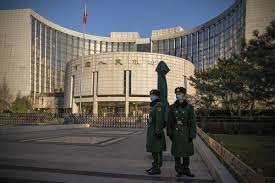
New bank lending in China unexpectedly rose in December from the previous month, central bank data showed on Tuesday, with 2022 setting a record high for lending as the central bank continued to support the COVID-ravaged economy.

U.S. small-business confidence slid to a six-month low in December, according to a survey on Tuesday, which also showed that inflation and worker shortages remained major issues for firm owners.
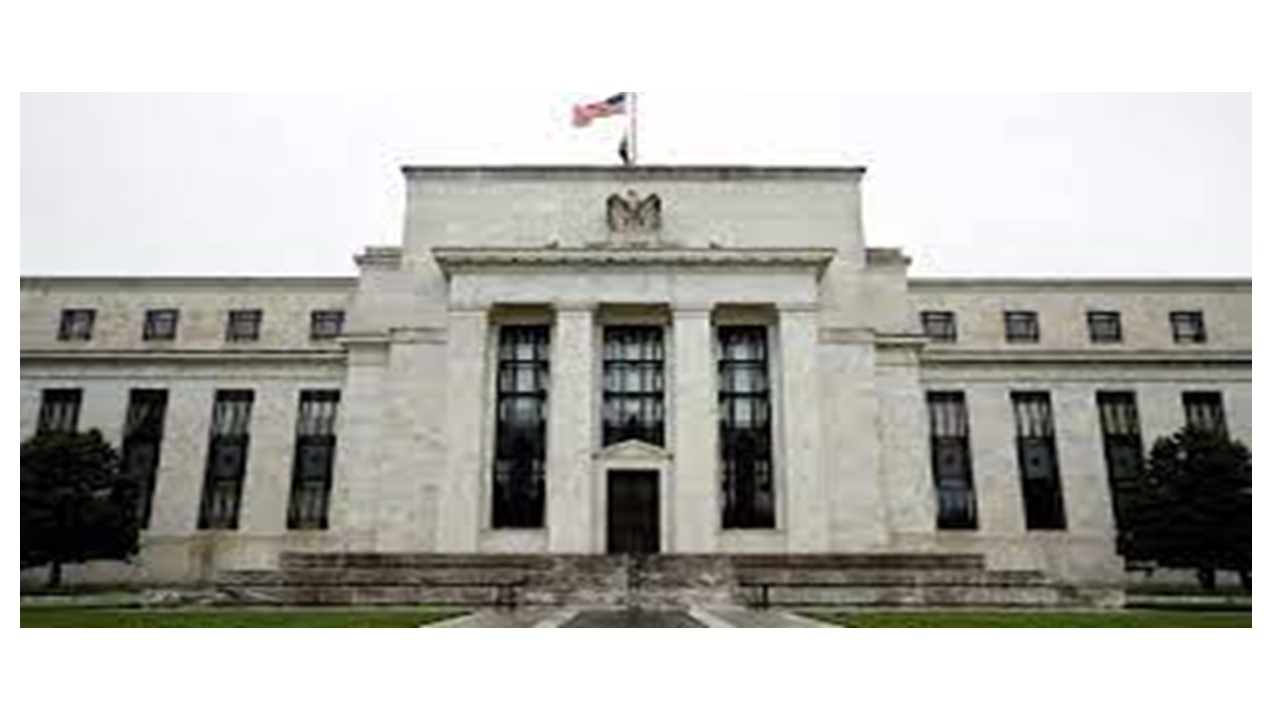
The Federal Reserve's independence from political influence is central to its ability to battle inflation, but requires it stay out of issues like climate change that are beyond its congressionally established mandate, Fed Chair Jerome Powell said on Tuesday.