
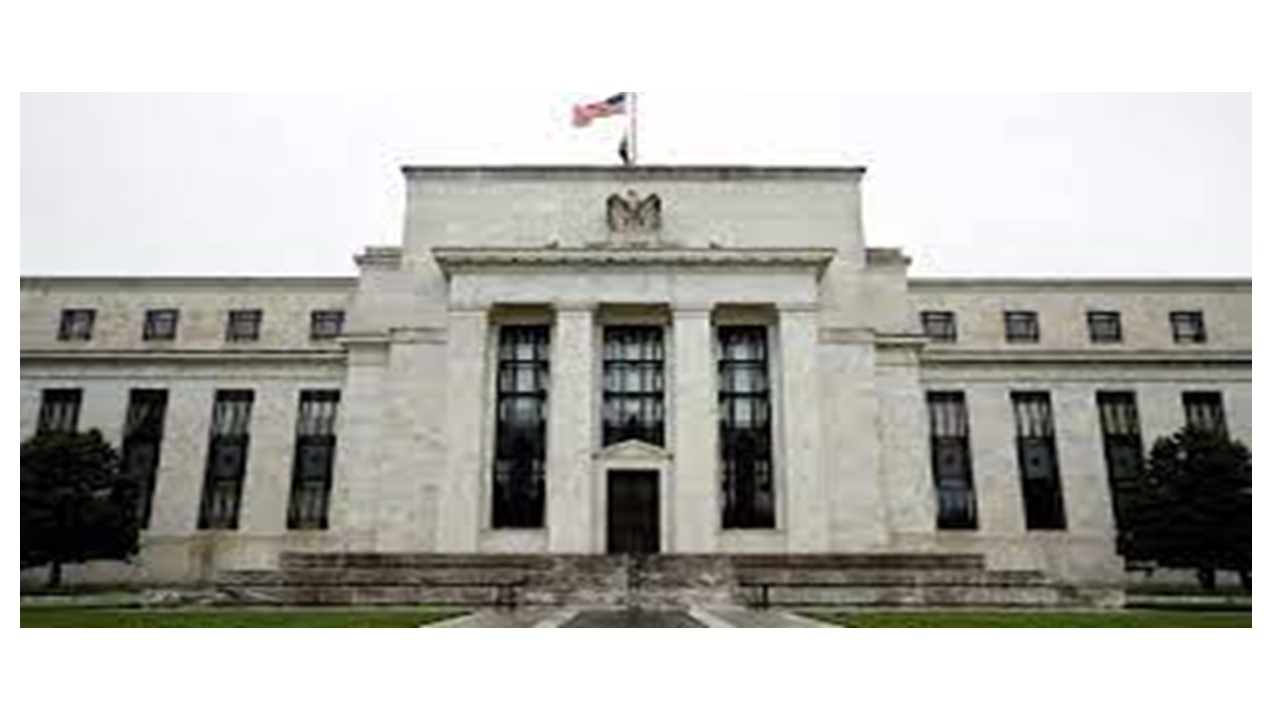
The Federal Reserve in its periodic beige book on Wednesday said economic activity hasn't changed much since its last report in November, with its contacts expecting little growth in the months ahead.
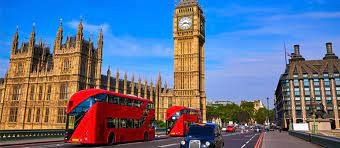
British inflation eased last month after hitting a 41-year high in October, offering some comfort to the Bank of England, but the pressure on households remained intense as food and drink prices rose at the fastest pace since 1977.
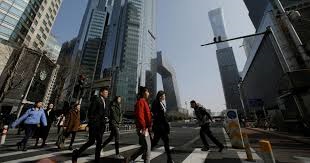
Most Chinese provinces aim for economic growth of above 5% this year, pledging to focus on boosting consumption following a lifting of stringent COVID curbs, according to local government work reports.

U.S. consumers pulled back on spending by more than expected in December, according to advance estimates from the Census Bureau on Wednesday.

U.S. business inventories increased in November as higher interest rates depressed sales, boosting the inventory-to-sales ratio to the highest level in nearly two years.
There were some encouraging signs U.S. inflation pressures and labor shortages were easing, a Federal Reserve report showed on Wednesday, but economic activity was tepid as the central bank's actions weigh on growth.