

Oil prices crept lower on Tuesday and were nursing heavy losses from the past session as ructions in the U.S. banking sector brewed increased concerns over a potential economic crisis, with focus now turning to more cues from inflation data due later in the day.
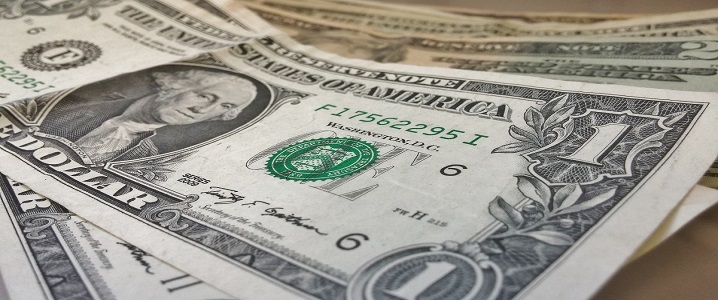
The dollar languished near a multi-week low on Tuesday as fears of a broader systemic crisis following the collapse of a U.S. tech-focused lender left traders speculating that the Federal Reserve could pause its aggressive rate-hiking cycle.

China unexpectedly kept its central bank governor and finance minister in their posts at the annual session of the rubber-stamp parliament on Sunday, prioritising continuity as economic challenges loom at home and abroad.

China's economic rebound is foreseeable, with growth of about 5 percent fully achievable, backed by multiple factors including a strong domestic consumption revival in the first quarter of 2023, Kang Yi, head of the National Bureau of Statistics (NBS), told a press conference during the two sessions, on Sunday.

The U.S. economy added jobs at a brisk clip in February, but monthly wage growth slowed and the unemployment rate rose, pointing to some labor market loosening and prompting financial markets to dial back expectations that the Federal Reserve would raise interest rates by half a percentage point this month.

The U.S. government posted a $262 billion budget deficit in February, up 21% from a year earlier, as outlays grew and revenues fell, due largely to higher tax refunds issued as the Internal Revenue Service worked through a substantial backlog of unprocessed returns.