
The U.S. dollar started the week higher as fears over inflation resurfaced after a surprise announcement by major oil producers to cut production further, with traders wagering the Federal Reserve may need to increase interest rates at its next meeting.

The Malaysian rubber market continued to close higher on the fourth consecutive day, tracking positive sentiments in the regional rubber futures market, coupled with the weaker ringgit versus the US dollar, a dealer said.

Britain on Friday said it had struck a deal to join an 11-country trans-Pacific trade pact which includes Japan and Australia as it looks to deepen ties in the region and build its global trade links after leaving the European Union.

Core consumer inflation in Japan's capital Tokyo slowed in March for a second month but remained well above the central bank's 2% target, data showed on Friday, highlighting broadening price pressures in the world's third-largest economy.

China's manufacturing activity expanded at slower pace in March, official data showed on Friday, suggesting hopes of a strong post-COVID economic recovery are faltering amid weaker global demand and a continued property market downturn.
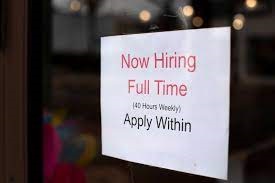
The number of Americans filing new claims for unemployment benefits rose moderately last week, showing no signs yet that tightening credit conditions were having a material impact on the tight labor market.