
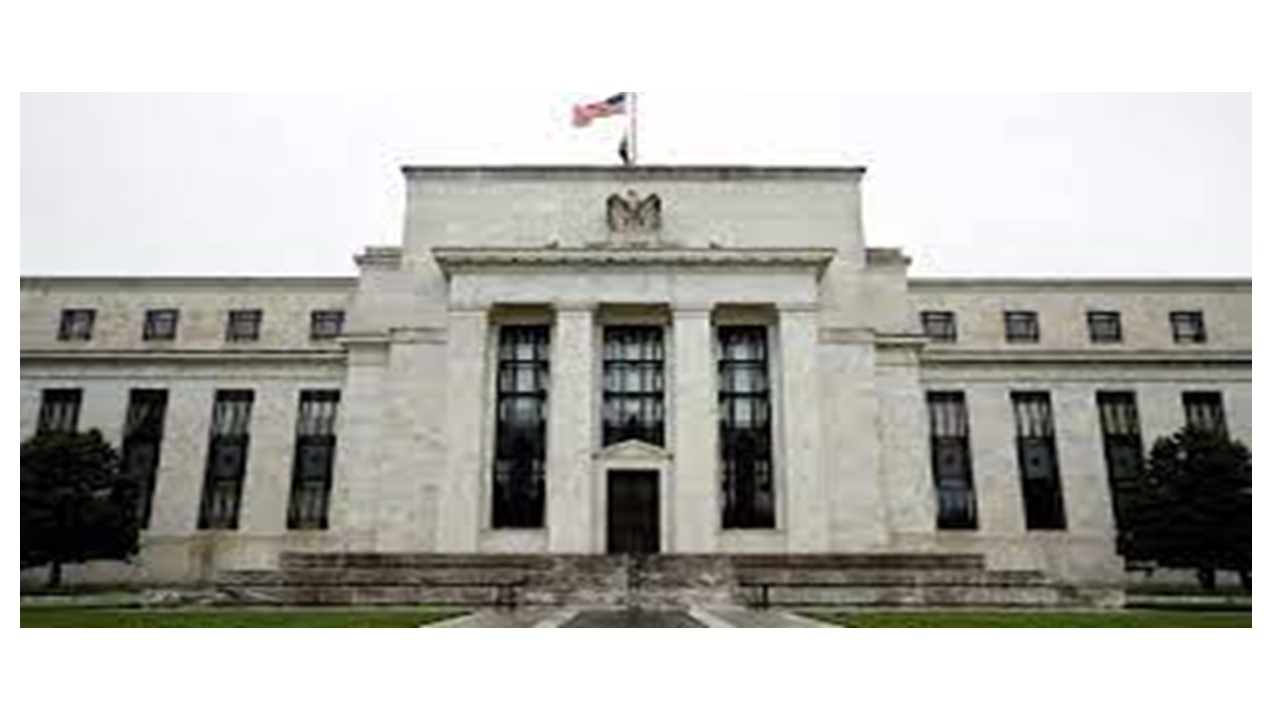
The Federal Reserve may not need to raise interest rates further to fight inflation, as the fallout from last month's turmoil in the banking sector and a series of recent labor data point to a slowing U.S. economy, a BlackRock (NYSE:BLK) executive said on Monday.
Interest rates eventually should fall back to levels seen before the outbreak of COVID-19, with advanced economies again within sight of the "zero lower bound" and developing countries seeing rates in steady decline, the International Monetary Fund said in a new analysis of whether the "natural" rate of interest was changed by the pandemic.
World Bank Group President David Malpass said on Monday that the lender has revised its 2023 global growth outlook slightly upward to 2% from a January forecast of 1.7% but the slowdown from stronger 2022 growth will increase debt distress for developing countries.

Asia stocks posted gains on Tuesday, boosted by investor optimism that the region's central banks will continue to pause or end interest rate hike cycles, whatever action the U.S. Federal Reserve takes. MSCI's broadest index of Asia-Pacific shares outside Japan rose 0.6% as trading resumed after a long holiday weekend in many major Asian markets.

Oil prices rose on Tuesday as signs of a growing rebound in Chinese travel demand pushed up hopes of increased crude consumption this year, although anticipation of more cues on the U.S. economy this week kept broader gains limited.
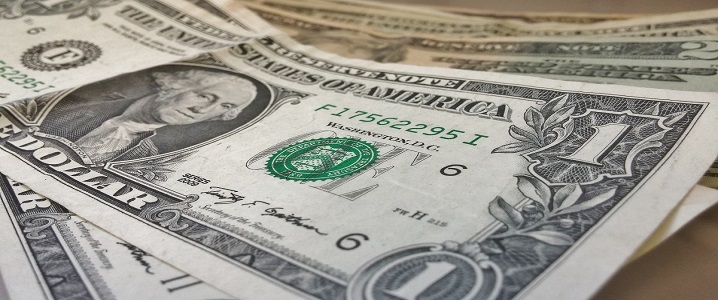
The U.S. dollar paused for breath on Tuesday following its best rally this month against major peers as a resilient U.S. labour market bolstered the case for a Federal Reserve rate hike next month.