

Oil prices edged higher in Asian trade on Thursday after surging more than 4% in the previous session, supported by lingering U.S.-Iran tensions and lack of progress in Russia-Ukraine peace talks, while a draw in U.S. crude inventories also provided support.

US consumer prices increased less than expected in January, but underlying inflation firmed as businesses raised prices at the start of the year, which together with a stabilising labour market could allow the Federal Reserve to keep interest rates unchanged for a while.

The Malaysian economy surprised on the upside, with the headline gross domestic product (GDP) expanding 6.3% year-on-year (y-o-y) in the fourth quarter of 2025, exceeding the advance estimate of 5.7%.
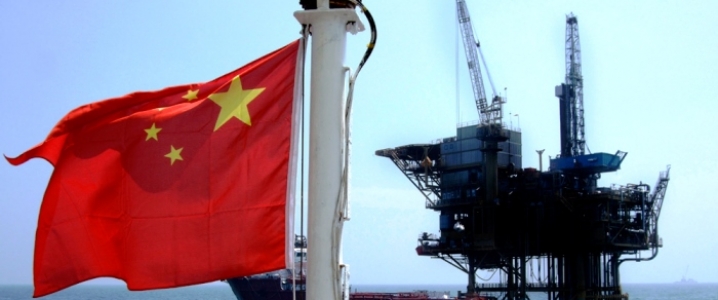
President Donald Trump and Israeli Prime Minister Benjamin Netanyahu agreed at a White House meeting on Wednesday that the US would work to reduce Iran's oil exports to China, Axios reported, citing two US officials briefed on the issue.

Japan's economy limped back to meagre growth in the fourth quarter, significantly missing market expectations in a key test for Prime Minister Sanae Takaichi's government as cost-of-living pressures drag on confidence and domestic demand.

Oil prices traded sideways on Monday ahead of talks between Washington and Tehran, with concerns about Iran-US tensions disrupting oil flows keeping a floor under prices, while Opec+ leans in favour of resuming output hikes from April.