

Annual U.S. inflation rose at its slowest pace in more than two years in June, with underlying price pressures receding, a trend that, if sustained, could push the Federal Reserve closer to ending its fastest interest rate hiking cycle since the 1980s.
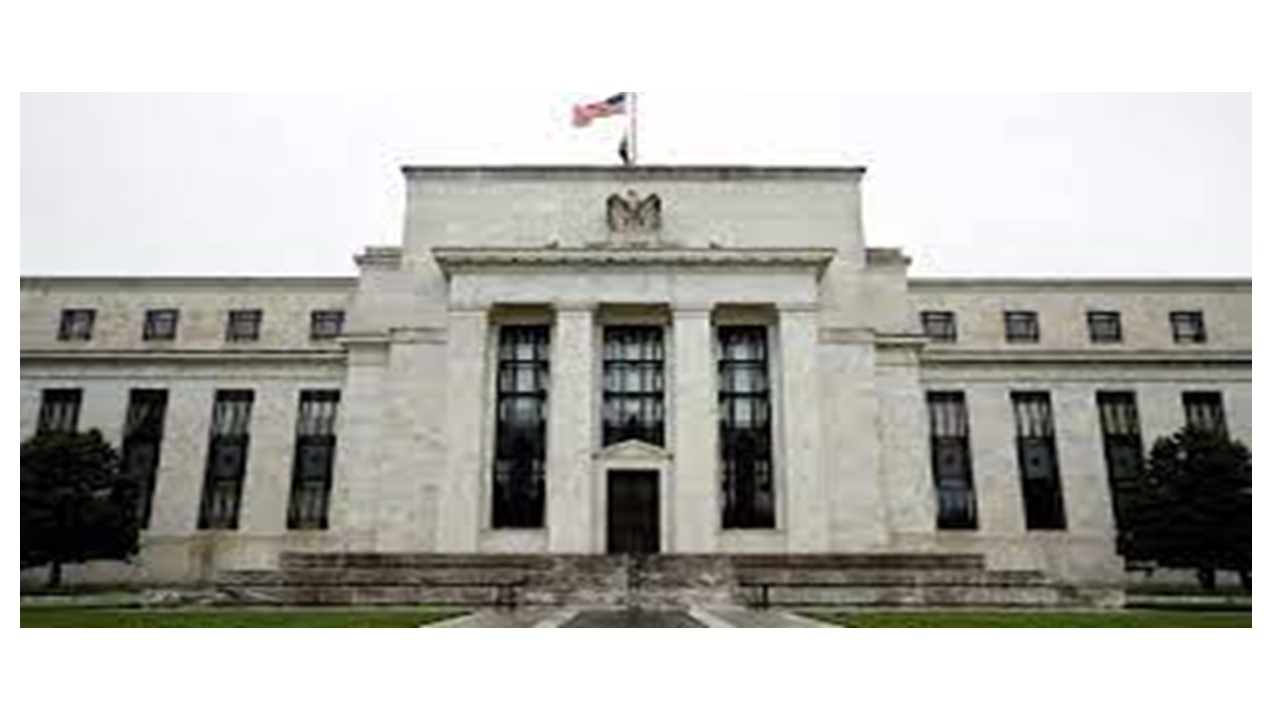
Less tight financial conditions as exhibited by the red-hot stock market may increase the chances that the Federal Reserve hikes rates again before the end of the year, some economists reckon, even as financial markets put little odds on that happening.
Most Asian stocks rose on Monday, extending last week’s rally as optimism over more Chinese stimulus measures largely offset data showing business activity in the country deteriorated further in July.

Oil prices edged lower on Monday, but were hovering near three-month highs, set to post their biggest monthly gains in over a year on expectations that Saudi Arabia would extend voluntary output cuts into September and tighten global supply.
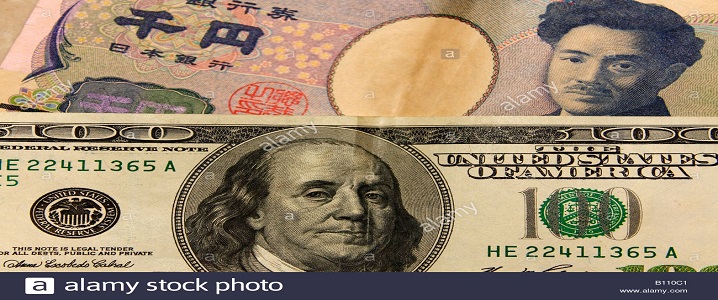
The yen fell on Monday, extending losses from a volatile session at the end of last week after the Bank of Japan (BOJ) loosened its grip on interest rates, but was still on track to reverse three consecutive months of declines.

Asian stocks fell on Friday, with Japan’s Nikkei logging steep losses after somewhat hawkish messaging from the Bank of Japan, while Chinese shares outperformed on hopes of more stimulus measures.