
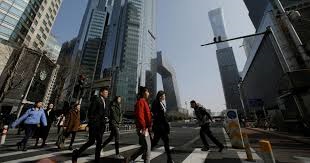
Policymakers expect persistently slower growth in China, perhaps even more sluggish than current consensus estimates, seeing its transition from an infrastructure- and investment-led economy to becoming consumption-driven as "difficult".

China's direct economic losses from natural disasters in July to August ballooned to 75.37 billion yuan ($10.31 billion), nearly double of losses in the first six months, driven by extreme rainfall and floods in the wake of powerful typhoons.

The economy grew modestly in July and August, and inflation slowed driven by slowing price pressures in the goods sector at a time when signs emerge that consumers have turned to borrowing to support spending after exhausting their savings, according to the Federal Reserve's Beige Book released Wednesday.
U.S. economic growth was modest amid a cooling labor market and slowing inflation pressures in July and August, a Federal Reserve report published on Wednesday showed, buttressing expectations that the central bank was either done, or close to being done, with interest rate increases.

The U.S. services sector unexpectedly gained steam in August, with new orders firming and businesses paying higher prices for inputs -- potential signs of still-elevated inflation pressures.

Oil prices steadied in early Asian trade on Thursday, sticking to 10-month peaks as signs of another draw in U.S. inventories added to expectations that global crude supplies will tighten further this year.