

A slew of U.S. economic data on Thursday showed stronger-than-expected numbers that stoked worries about sticky inflation and reinforced the view that the Federal Reserve is likely to keep interest rates higher for longer.

U.S. business inventories were unchanged in July as companies continued to carefully manage stocks in anticipation of weak demand because of higher interest rates.
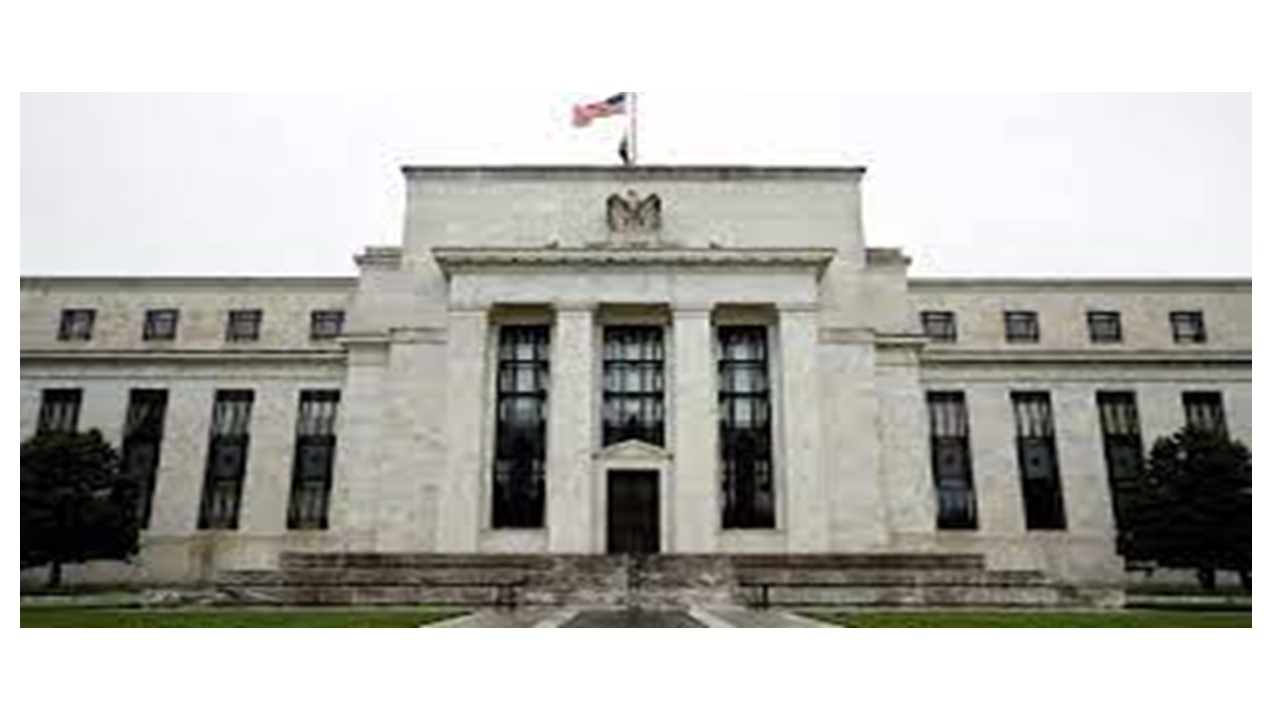
On Thursday, the Federal Reserve revealed its schedule for the remaining meetings of 2023, with potential implications for interest rates. The Federal Reserve is expected to hold three more meetings this year, with the November assembly potentially triggering an interest rate hike. Market expectations suggest that the September and December gatherings will maintain the status quo on interest rates.

The U.S. government's borrowing is set to continue with an estimated issuance of an additional $450 billion in Treasury bills during the fourth quarter of 2023, as projected by Barclays on Thursday. This forecast is based on the intent of the Treasury Department to end the year with a cash deposit of $750 billion at the Federal Reserve.

Asian stocks rose strongly on Friday, extending a global equity rally, after better-than-expected Chinese economic data added to the good vibes from expectations that tightening campaigns by the world's biggest central banks were close to over.

Oil prices rose on Friday and are set for a third weekly gain, as better-than-expected Chinese economic data and reports of record oil consumption bolstered the view that demand in the world's second-largest crude consumer will continue to surge.