

The U.S. economy grew at its slowest pace in nearly two years in the first quarter amid a surge in imports and small build-up of unsold goods at businesses, signs of solid demand that together with an acceleration in inflation reinforced expectations the Federal Reserve would not cut interest rates before September.
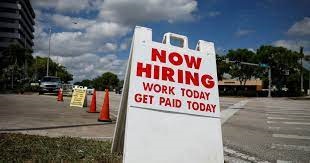
The number of Americans filing new claims for unemployment benefits unexpectedly fell last week, pointing to still tight labor market conditions.
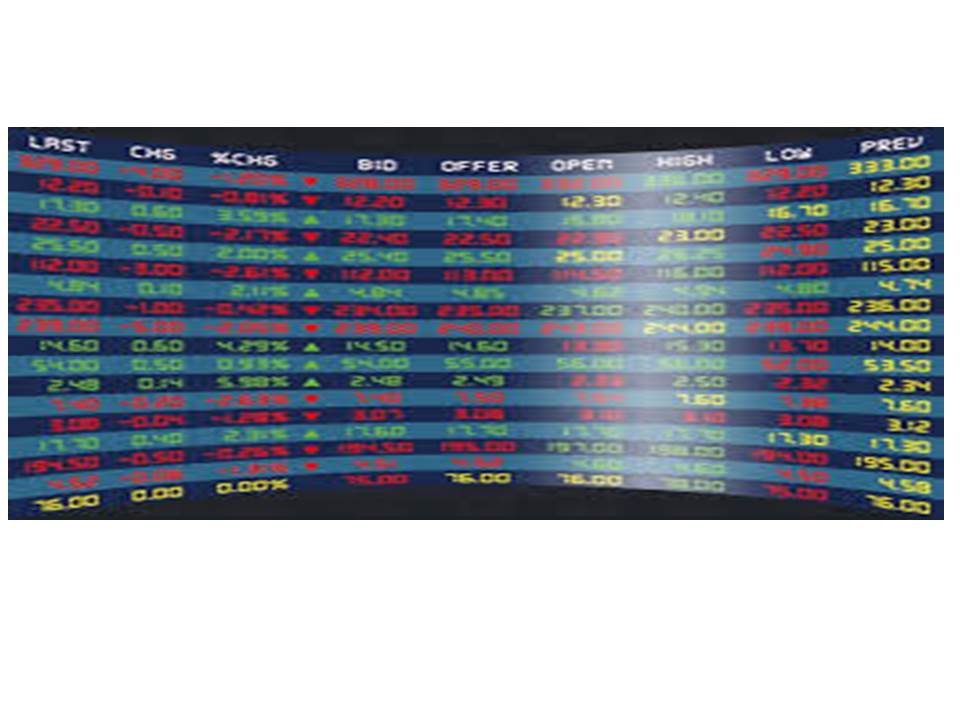
The yen fell amid volatile trade on Friday after the Bank of Japan (BOJ) maintained its accommodative monetary policy stance at the conclusion of its two-day policy meeting, while Asian shares rose in the broader market.

Oil prices rose on Friday, on track to end higher this week after two straight weeks of losses, after a top U.S. official expressed optimism over economic growth and as supply concerns lingered due to conflicts in the Middle East.

The yen hit its weakest level in three decades against the U.S. dollar after the Bank of Japan left interest rates on hold on Friday, leaving markets on edge about possible intervention, especially if hot U.S. inflation data pushes up the dollar.

Optimism among British manufacturers rose to its highest since July 2021 this month, despite a drop in orders, the Confederation of British Industry said on Wednesday.