

High petrol prices in Europe steered car buyers towards EVs in a record-beating March, and led to the first month of global EV sales growth this year, data by consultancy Benchmark Mineral Intelligence showed on Tuesday.
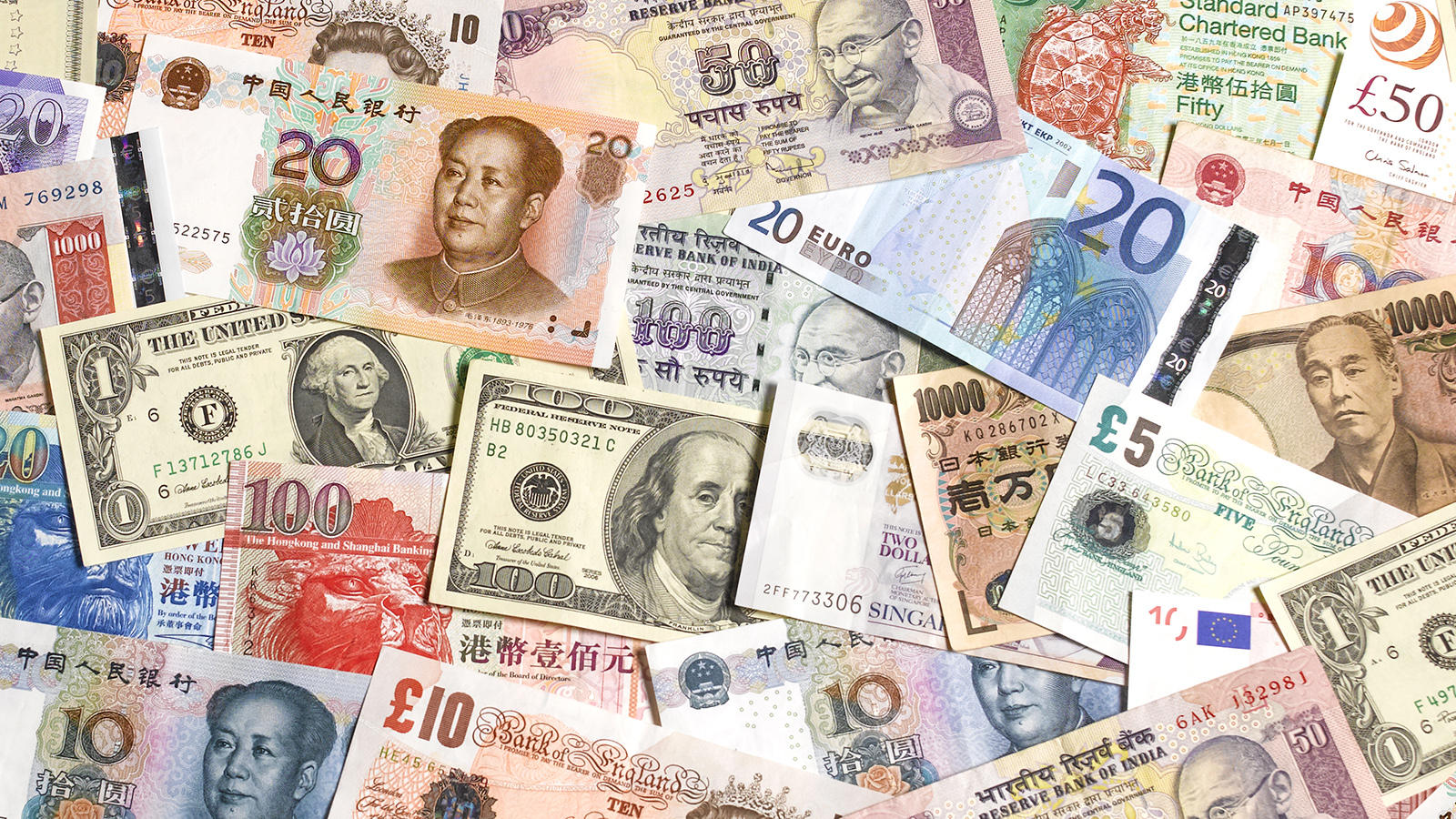
Most Asian currencies firmed slightly on Tuesday, while the dollar retreated after the U.S. began blockading Iranian ships in a bid to pressure Tehran into a more lasting ceasefire deal.
National Gas, the operator of Britain’s National Transmission System, published its 2026 Gas Summer Outlook on Tuesday, concluding that the country is expected to have sufficient gas supply to meet forecast demand over the summer months under current conditions.

Japan stocks were higher after the close on Tuesday, as gains in the Real Estate, Banking and Textile sectors led shares higher.
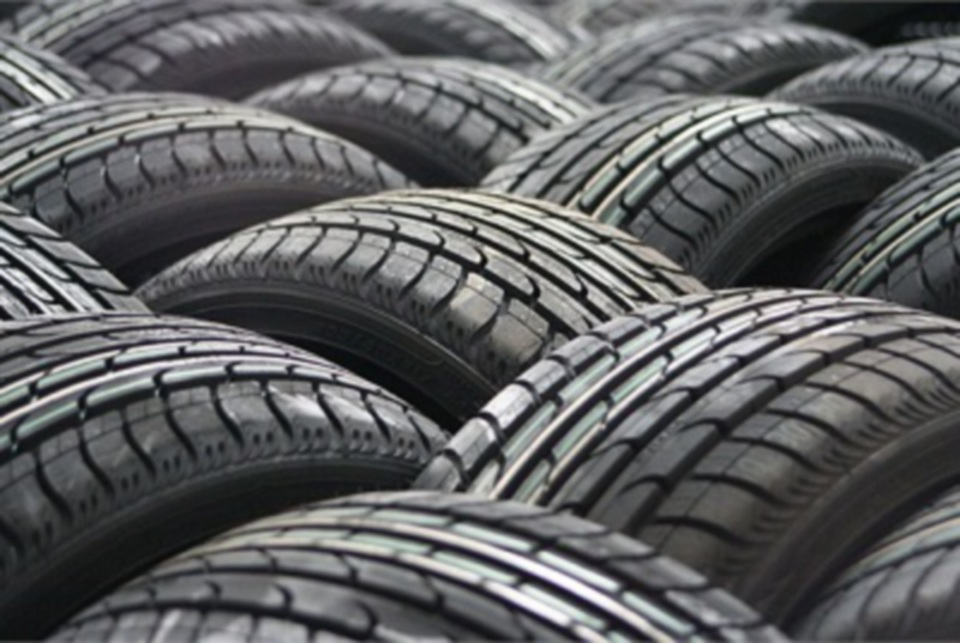
yre prices in Malaysia may rise slightly as manufacturers grapple with rising petrochemical and fuel costs, industry players say.
The U.S. dollar reversed course to slip lower on Monday, as an initial boost to safe haven demand petered out and increased risk appetite sent investors towards equities.