
Japan’s core inflation slowed below the central bank’s 2% target for a second straight month in March, data showed on Friday, as government fuel subsidies and moderating food inflation offset price pressures from the Iran war-induced energy shock.
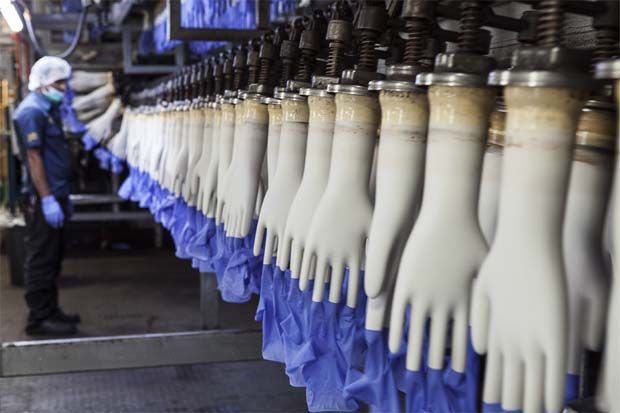
Although retail prices of medical grade gloves remain stable for now, stakeholders are not ruling out a price increase in the coming months.
Companies from consumer goods to travel and mining warned on Wednesday that the U.S.-Israeli war with Iran is driving up costs, disrupting supply chains and hurting consumer confidence, clouding financial outlooks.
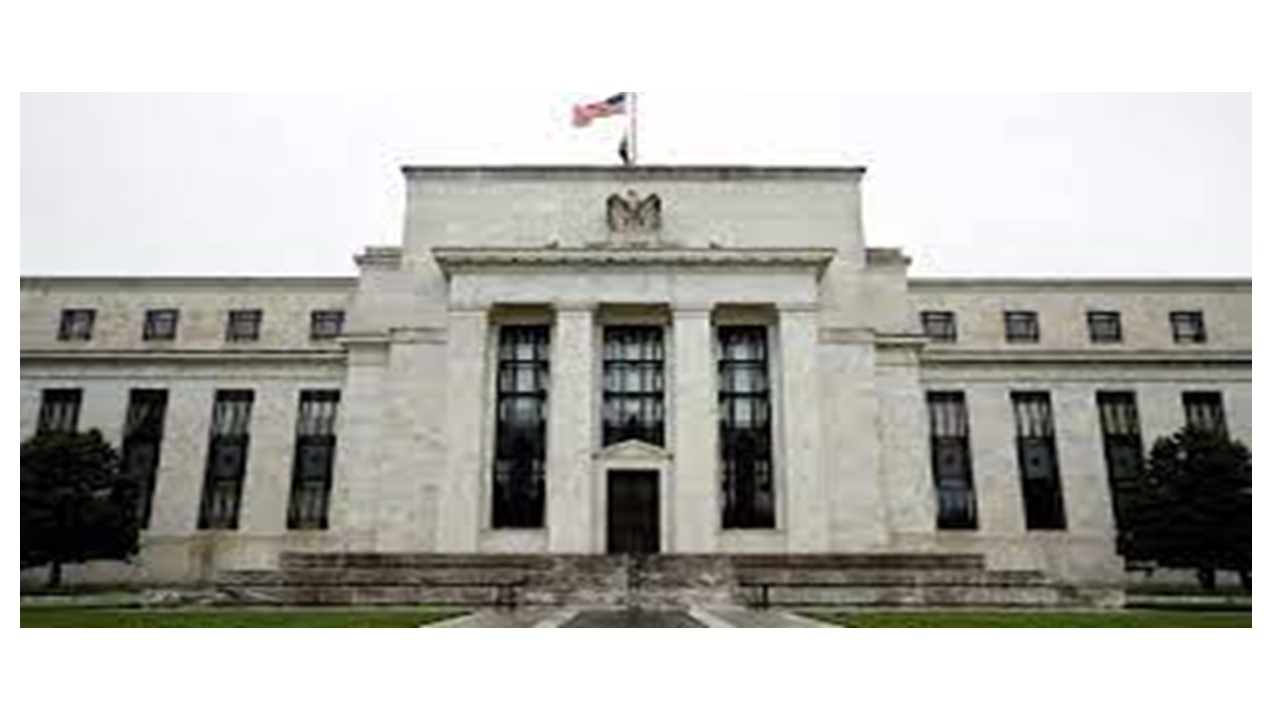
The U.S. Federal Reserve will wait at least six months before cutting interest rates this year, according to a Reuters poll of economists, as war-driven energy shocks reignite already-elevated inflation.

Oil prices extended their gains on Thursday, rising more than $1 in the wake of stalled peace talks between Iran and the United States and as both nations maintained restrictions on the flow of trade through the Strait of Hormuz.
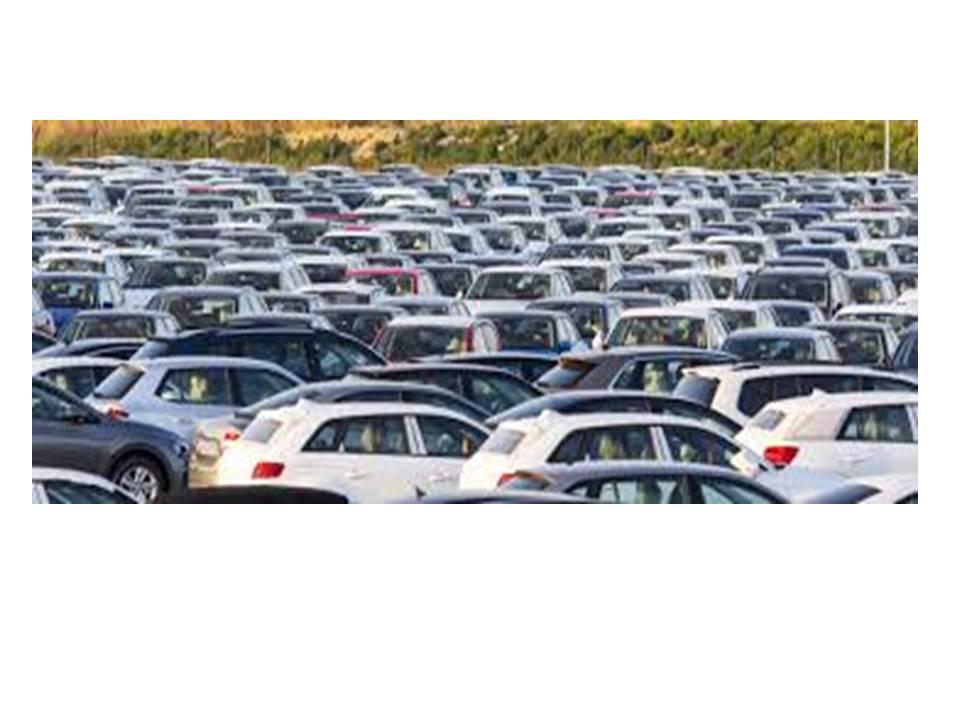
The auto sales momentum is expected to ease in April as cautious consumer sentiment and external risks weigh on demand, while tighter fuel subsidy quotas may support electric vehicle (EV) and plug-in hybrid (PHEV) adoption.