

Federal Reserve Bank of Boston President Susan Collins said Thursday that significant uncertainty over the outlook calls for the central bank moving forward cautiously with future rate cuts.

Global economic growth is projected to remain at 2.8% in 2025, unchanged from 2024, held back by the top two economies, the U.S. and China, according to a United Nations report released on Thursday.
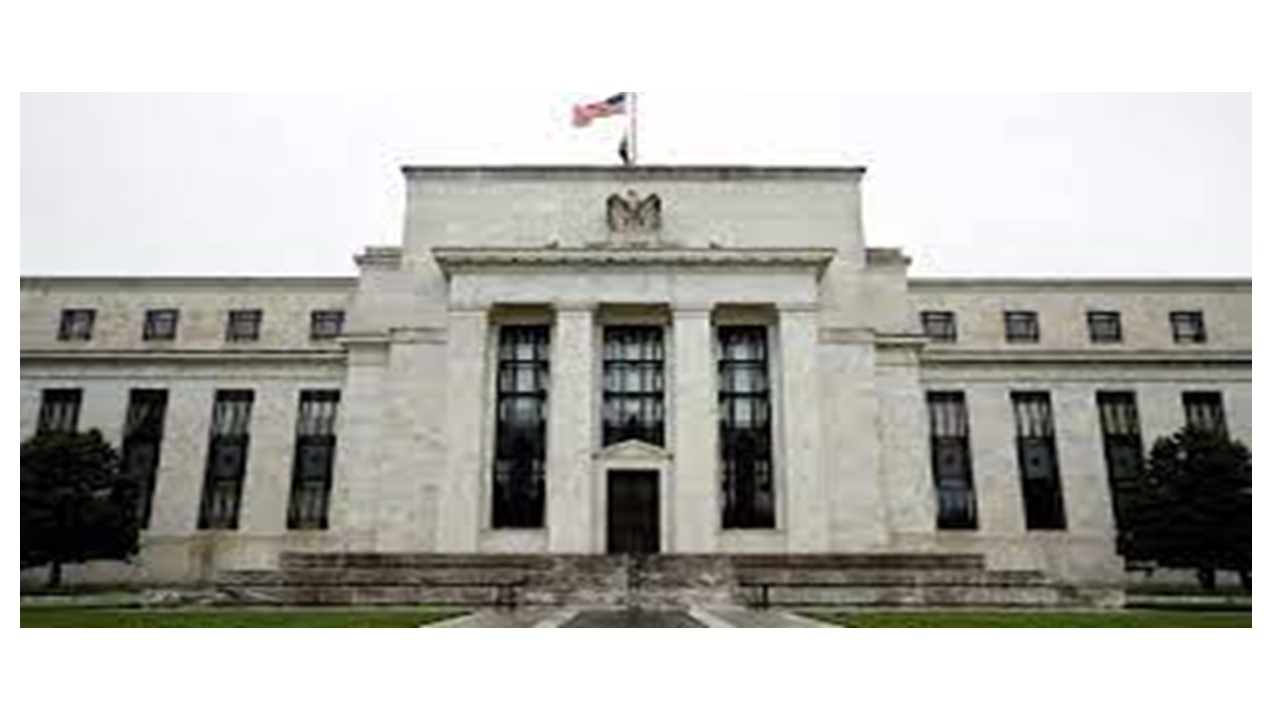
Kansas City Federal Reserve President Jeff Schmid signaled on Thursday a reluctance to cut interest rates again as the U.S. central bank comes into the new year facing a resilient economy and inflation that remains above its 2% target.

British households' expectations for inflation rose in December, according to a survey published on Thursday that may add to concerns among investors about the slow pace of future interest rate cuts by the Bank of England.
The monthly Citi/YouGov survey showed expectations for inflation in a year's time rose to 3.7% in December, Citi said, without providing a figure for November. In October, the reading stood at 3.3%.
For inflation in five to 10 years' time, expectations rose to 3.9% from 3.6% in November, Citi said.
The BoE is trying to gauge how much inflation pressure remains in the British economy as it considers when to cut borrowing costs for only the third time since 2020.
Investors have sold British government bonds heavily in recent days, in part because they worry that inflation is likely to prove too high for the BoE to cut rates much this year, hurting economic growth and the government's stretched finances.
Earlier on Thursday, a separate survey published by the BoE showed British businesses expected to raise prices as well as reduce staff numbers in response to an increase in employers' social security contributions that will take effect in April.
Source : Investing.com

Federal Reserve Governor Michelle Bowman on Thursday said she supported last month's interest-rate cut as the "final step" in the U.S. central bank's monetary policy recalibration, with rising inflation risks dictating a cautious approach ahead.

Japanese household spending fell at a slower pace than expected in November, government data showed on Friday, but the broader consumption trend remained soft, weighed by higher prices.