
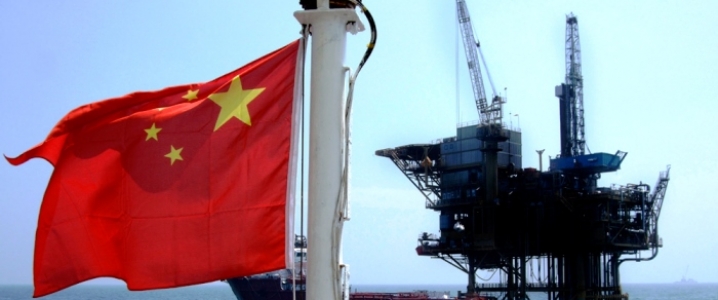
In a note this week, Bank of America analysts warned that the US-China trade war is unlikely to slow China’s dominance in the chemical industry as the country continues expanding its production capacity with strong government support.
China considers Germany and the European Union as a whole as strategic partners, and it wants stronger cooperation with them in the spirit of free trade and multilateralism, the Chinese foreign minister told the German chancellor on Saturday.
Most Asian stocks moved in a flat-to-low range on Monday amid persistent concerns over increased U.S. trade tariffs and high interest rates, with an artificial intelligence-fueled rally in Chinese markets pausing for breath.
Tariffs are unlikely to resolve trade imbalances between the European Union and the United States, according to analysts at Barclays (LON:BARC), who argue that such measures could instead exacerbate economic uncertainty and disrupt trade flows.
Most Asian currencies weakened on Monday amid concerns over fresh U.S. tariffs under Donald Trump’s administration, while the Japanese yen strengthened with data showing faster-than-expected economic growth in the fourth quarter.

Oil prices were largely unchanged in Asian trading on Monday as markets remained cautious ahead of potential new tariff announcements by U.S. President Donald Trump, and weighed the possibility of a peace agreement between Russia and Ukraine.