

Goldman Sachs trimmed its U.S. recession probability to 30% from 35% for the next twelve months on easing uncertainty around President Donald Trump’s tariff policies after the U.S. and China affirmed a trade deal.

Industrial rubber encompasses a vast array of highly versatile elastic materials essential for demanding applications across numerous sectors. Broadly categorized into natural rubber, derived from the latex of rubber trees and prized for its high elasticity and tensile strength, and synthetic rubber, engineered from petroleum-based compounds like Styrene Butadiene Rubber (SBR), Nitrile Butadiene Rubber (NBR), Ethylene Propylene Diene Monomer (EPDM), and Silicone, each offering tailored properties such as resistance to heat, chemicals, abrasion, or weathering. The market for these essential materials is primarily driven by the rising demand from the automotive industry, where rubber is crucial for manufacturing tires, seals, hoses, belts, and vibration-dampening components. This demand is directly linked to increased vehicle production. In addition, strong growth in construction and infrastructure development is boosting the need for rubber in expansion joints, seals, roofing, and various components used in roads, bridges, and utility systems.
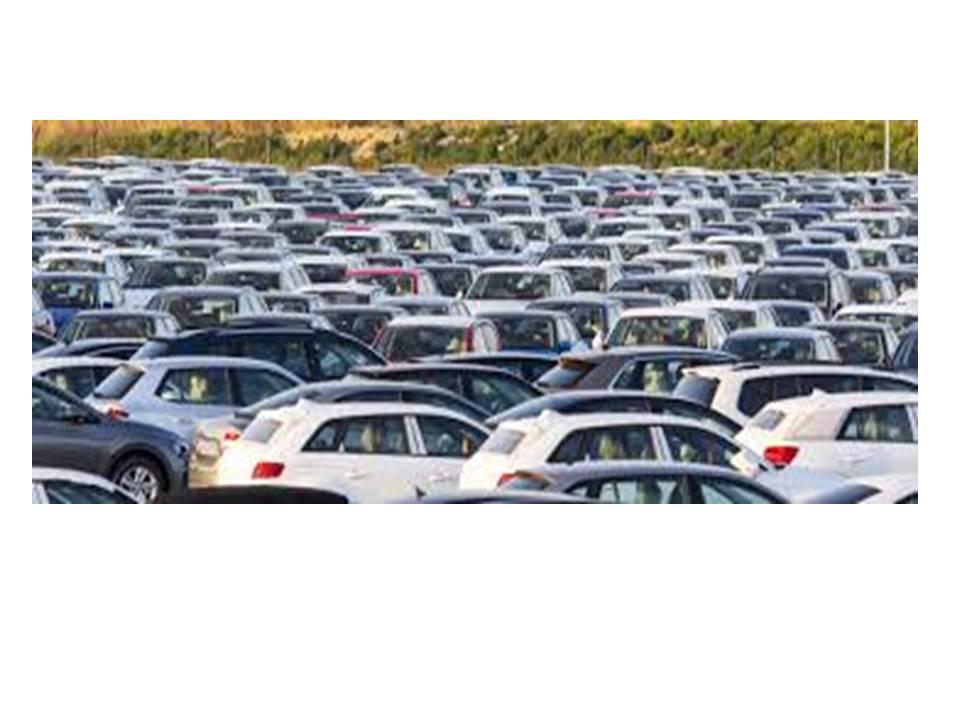
According to the China Association of Automobile Manufacturers ("CAAM"), China's automobile market maintained strong momentum in May 2025, recording double-digit year-on-year growth in both production and sales. Domestic demand and exports both posted solid performances. The passenger vehicle (PV) segment remained buoyant, while commercial vehicle (CV) demand showed signs of lag. New energy vehicles (NEVs) continued their rapid ascent, and automotive exports registered a notable acceleration.

The Federal Budget Balance, a key indicator of the government’s financial health, has reported a significant deficit. The actual deficit stands at -$316.0B, a figure that has surpassed the forecasted deficit of -$314.3B.

Natural Rubber (NR) production decreased by 37.3 per cent in April 2025 (18,008 tonnes) as compared to March 2025 (28,739 tonnes). Year-on-year comparison showed that the production of NR decreased by 15.6 per cent (April 2024: 21,325 tonnes). Production of NR in April 2025 for Malaysia was mainly contributed by smallholders sector (86.0%) as compared to estates sector (14.0%).
The US Federal Reserve will keep interest rates on hold for at least another couple of months, according to most economists polled by Reuters, as risks linger that inflation may resurge due to President Donald Trump's tariff policies.