

US July sales of new light vehicles rose year on year and month on month, beating industry expectations, but the chief economist at the National Automobile Dealers Association (NADA) is maintaining its full-year forecast of 15.3 million units.
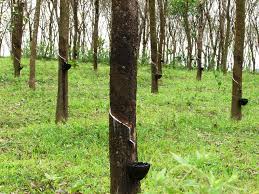
India’s widening demand-supply gap in natural rub-ber has triggered hopes for further expansion of rubber plantations in the Northeast region. Official data tabled in the parliament highlights the grim reality for tyre manufacturers and other rubber industries in the country, as demand is poised to increase manifold over the next five years, which traditional rubber-growing areas like Kerala will not be able to meet.
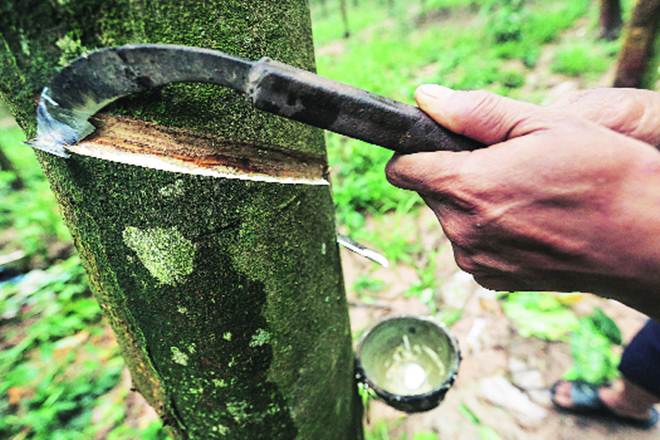
Rubber prices slid on major exchanges this week, after improved weather in leading producers like Thailand and Vietnam helped calm supply worries – though car sales in China kept demand solid.
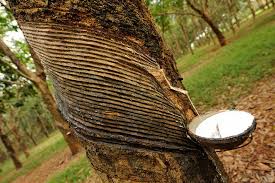
The Ministry of Plantation and Commodities (KPK) through the Malaysian Rubber Board, is re-evaluating the need to increase allocations for the opening of new rubber planting areas, particularly in hardcore poverty areas such as Ranau.

Thailand’s pledge to President Donald Trump of near-total market access for US goods includes key limits to protect some domestic industries, according to a government official, laying out the Southeast Asian nation’s terms for a tariff deal with Washington.
Only 6% of rated companies in Asia-Pacific have an overall high exposure to US tariff-related risks, the lowest globally, reflecting the region’s resilience amid trade and market upheavals, according to Moody’s Investors Service (Moody’s Ratings).