
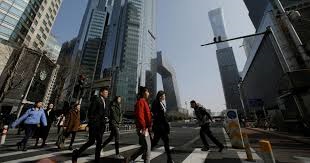
“Made in China” labels have come to dominate global goods trade — much to the chagrin of US President Donald Trump — even as the nation’s financial markets remained walled off from the world.

The Ministry of Investment, Trade and Industry (Miti) is finalising the new Customised Incentive Mechanism (NCM), aimed at providing a more transparent and attractive tax and incentive structure to strengthen Malaysia’s automotive industry.

The US and South Korea are in a deadlock over details of a US$350 billion investment (RM1.47 billion) fund the two countries agreed to as part of a broader trade deal, with a top Seoul official warning that even the shipbuilding partnership is at risk if they fail to narrow the differences.
China's producer deflation eased in August, suggesting Beijing's efforts to rein in excessive competition and price cuts in key industrial sectors are starting to bear fruit, though analysts say manufacturers remain some way off from a reflationary cycle.
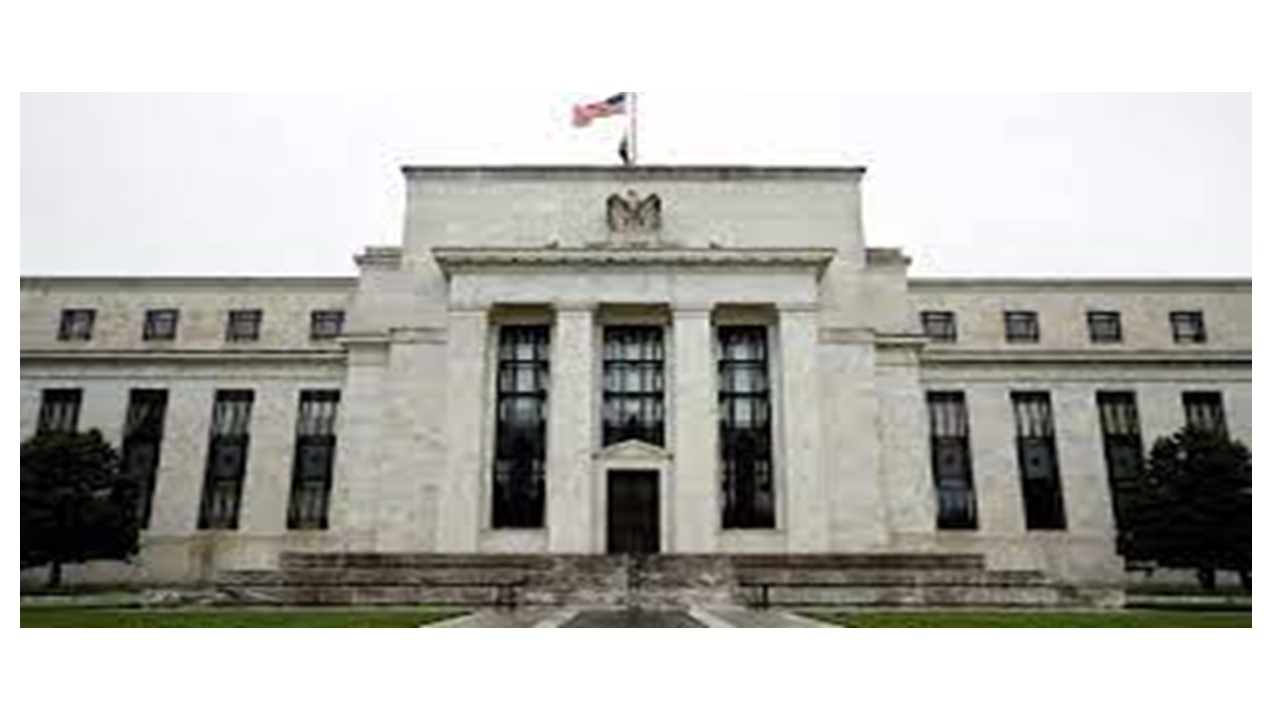
The Federal Reserve (Fed) will likely resume cutting short-term rates next week and continue on for the rest of the year to shore up a labor market that may have begun cooling well before President Donald Trump began imposing sharply higher tariffs, traders bet on Tuesday.