

Small and medium-sized businesses and developing economies are likely to be at particular risk of a slowdown in investment due to ongoing tariff uncertainty, the Secretary-General of the UN Trade and Development Agency told Reuters on Monday.
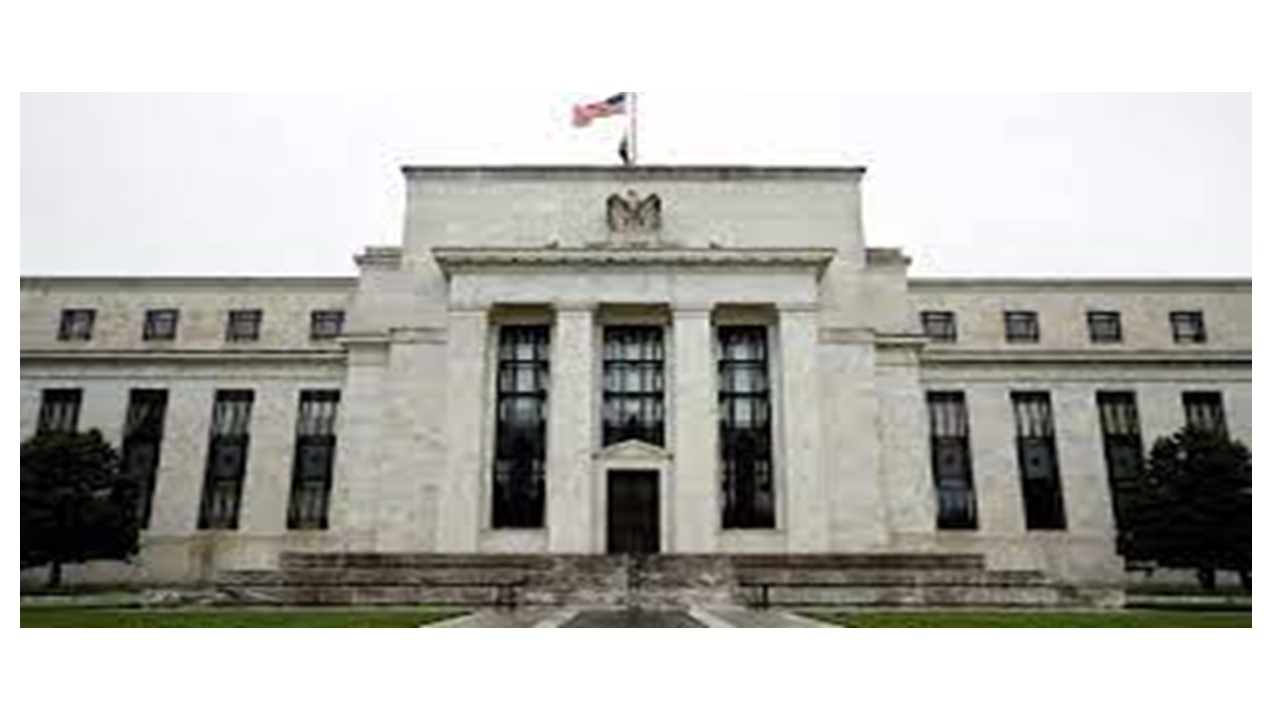
In her first speech as head of the Philadelphia Federal Reserve, Anna Paulson said on Monday that rising risks to the job market argue for more interest rate cuts by the U.S. central bank, as trade tariffs now appear unlikely to push up inflation as much as expected.

China has hit U.S.-owned vessels docking in the country with tit-for-tat port fees, in response to the American government’s planned port fees on Chinese ships, expanding a string of retaliatory measures before trade talks between U.S. President Donald Trump and Chinese leader Xi Jinping.

According to the Malaysian finance ministry‘s ‘Fiscal Outlook and Federal Government Revenue Estimates‘ report, total government revenue from vehicle import duties, excise duties and sales tax this year is estimated to be RM11.1 billion, and this is expected to rise 4.5% to RM11.6 billion next year.
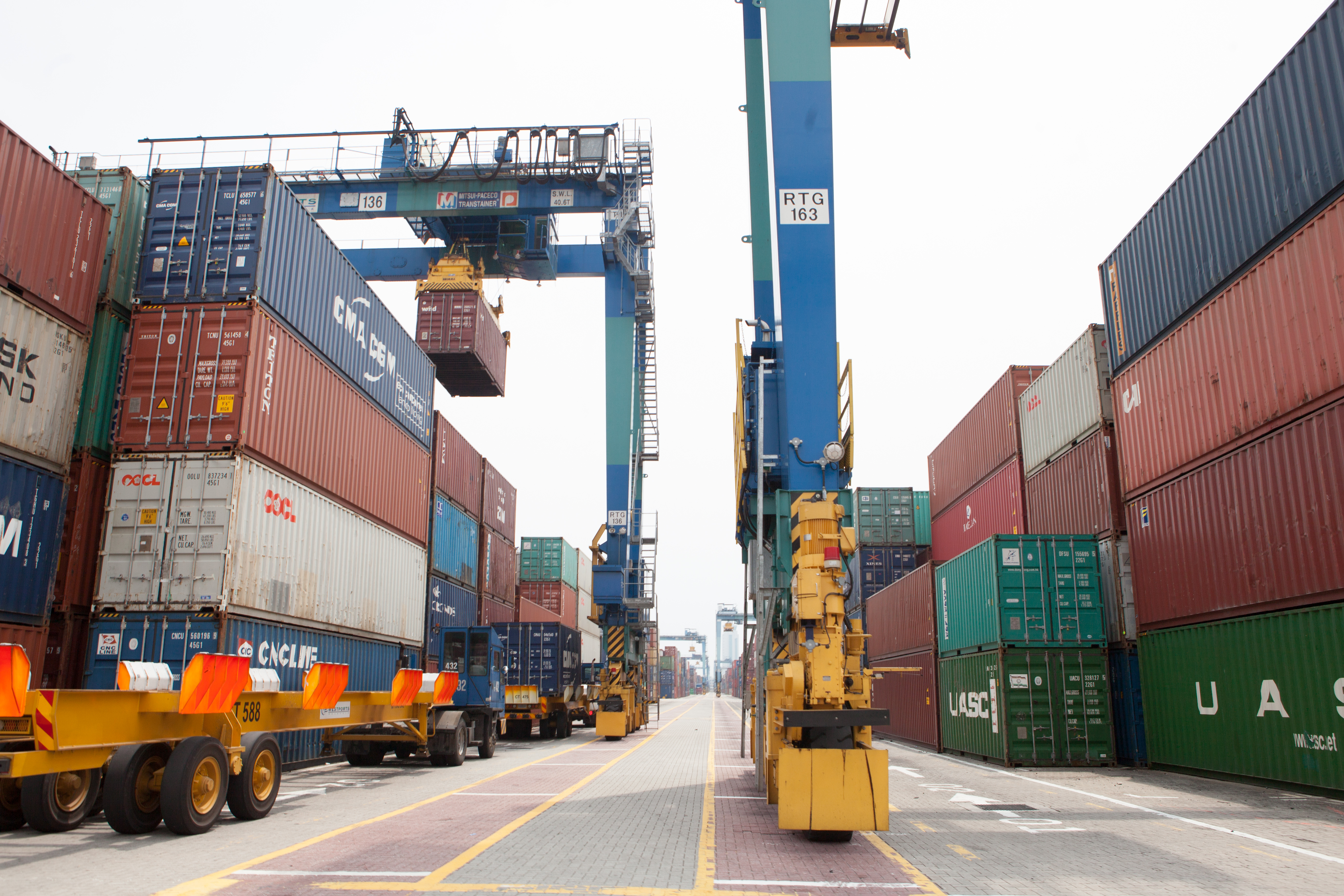
China's export growth bounced back in September, but renewed trade threats from Beijing and Washington have rekindled worries about jobs and further deflation in an economy heavily reliant on selling its manufactured goods overseas.

China's car sales accelerated in September, the traditional peak season for the auto market, as dealers and consumers took advantage of trade-in subsidies before more local governments suspended the incentives.